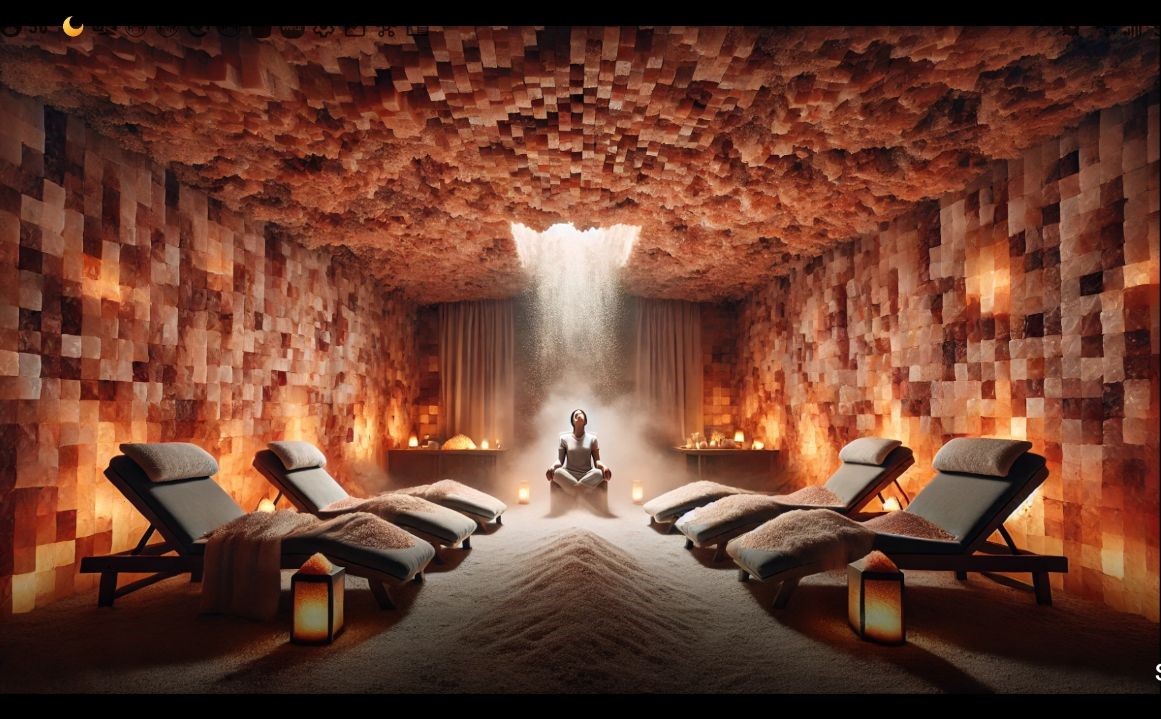
A stiff neck after a long commute. Shoulders that stay lifted long after a demanding workday. Legs that feel heavy after workouts, errands, or hours spent standing. Muscle tension has a way of following you home, making it harder to rest even when you finally have the time. Spa services for muscle tension offer a peaceful way to pause, care for your body, and make room for genuine relief.
At The Salt Cavern, wellness is not about pushing through discomfort or waiting for stress to disappear on its own. It is about giving yourself a calm, supportive setting where your body can soften, your breathing can slow, and your mind can step back from the bustle of everyday life.
Why Muscle Tension Builds Up
Muscle tension is often your body’s response to a full schedule. Sitting at a desk, looking down at a phone, driving, carrying children or groceries, exercising, and managing stress can all contribute to tightness in the neck, shoulders, back, hips, and legs.
Sometimes the source is easy to identify. You may wake up with a sore lower back after a long day on your feet or notice tight shoulders during a stressful week. Other times, tension builds quietly. Many people do not realize how much they are holding in their jaw, upper back, or hands until they have a chance to truly relax.
A wellness appointment cannot remove every cause of muscle discomfort. But it can create a restorative interruption in the cycle of stress, shallow breathing, poor sleep, and physical tightness. The best choice depends on what your body needs that day: targeted hands-on care, soothing heat, quiet rest, or a combination of each.
Spa Services for Muscle Tension: What May Help
Massage therapy for focused relief
Massage therapy is often the most direct choice when your muscles feel knotted, sore, or overworked. A trained massage therapist uses purposeful pressure and movement to address areas that commonly hold stress, including the shoulders, neck, back, arms, calves, and feet.
The right pressure is personal. Deep work may feel helpful for someone with exercise-related tightness, while a gentler, relaxation-focused massage may be better when your nervous system feels overwhelmed or your body is especially sensitive. Speak honestly about the pressure you prefer, areas you want to focus on, and anything you would rather avoid. A thoughtful session should feel supportive, never like something you need to endure.
Massage can be especially welcome before tension becomes your normal. Booking regular care may help busy professionals, parents, and active adults notice their patterns earlier and create a routine of recovery rather than waiting until discomfort feels impossible to ignore.
Infrared sauna for warmth and unwinding
When your body feels tight from cold weather, a demanding workout, or a stressful week, warmth can be deeply comforting. An infrared sauna session offers quiet time in gentle heat, helping you settle in, breathe more slowly, and give tense muscles a chance to loosen.
For many guests, sauna time works well as a standalone reset. Others enjoy it before massage because the warmth helps them arrive feeling more relaxed. Hydration matters before and after your session, and it is wise to keep the experience comfortable rather than trying to stay in longer than your body wants.
Infrared sauna sessions are not right for everyone. If you are pregnant, have a heart condition, are prone to dizziness, or have been advised to avoid heat, check with your health care provider first. Wellness should always feel safe and personal.
Salt therapy for a calmer pause
Salt therapy is not a muscle treatment in the same way massage is, but it can complement a tension-relief routine beautifully. Time in a peaceful salt room gives you permission to sit still, breathe, and step away from constant stimulation. That quieter state can matter when stress is showing up in your body as clenched shoulders, a tight jaw, or restless sleep.
Guests who deal with seasonal breathing discomfort may also appreciate the restorative environment. While salt therapy is not a replacement for medical care, its calm setting can support the kind of unhurried breathing and mental reset that many people miss during a busy week.
Sound bowl experiences for whole-body rest
Not all tension is solved by more pressure. Sometimes your body needs less input, not more. A sound bowl experience creates space for stillness through resonant tones and a soothing atmosphere. It can be a meaningful option when you feel mentally scattered, physically depleted, or unable to switch off at the end of the day.
This service may be especially appealing if your muscle tightness seems connected to stress, poor rest, or emotional overload. Think of it as an opportunity to settle your nervous system and let relaxation begin from the inside out.
Acupuncture as part of a wellness plan
Acupuncture may be another option for people looking for a non-invasive approach to areas of persistent tightness. During an appointment, a licensed practitioner can discuss what you are experiencing and determine whether acupuncture fits your needs.
Results and comfort levels vary from person to person, and acupuncture is not a substitute for evaluation of an injury or medical condition. Still, for some guests, it becomes a valuable part of an ongoing self-care routine alongside massage, movement, rest, and professional medical guidance when needed.
Choosing the Right Treatment for Your Day
The most helpful service is not always the most intense one. If you have a specific knot between your shoulder blades or soreness after physical activity, massage therapy may be the natural starting point. If your whole body feels guarded and you are craving warmth, an infrared sauna session may feel like the right first step.
If your stress feels bigger than one sore muscle, consider a quieter experience such as salt therapy or sound bowls. These services do not ask you to perform, solve, or rush. They simply give you room to rest.
You can also build a thoughtful wellness day. A sauna session followed by massage can be a comforting pairing for general tightness. Salt therapy before a massage can help you arrive more centered. The best combination is the one that fits your energy, schedule, comfort level, and goals.
Small Habits That Help Your Results Last
Spa care is most rewarding when it becomes part of a larger rhythm of looking after yourself. You do not need a complicated routine. A few gentle habits between appointments can help your body hold on to that feeling of ease.
Drink water after heat-based services and massage, especially if you tend to forget hydration during busy days. Take brief movement breaks if you work at a desk or drive often. A slow shoulder roll, a short walk, or light stretching can interrupt the habit of holding tension in one position for hours.
Sleep also deserves attention. Your pillow, sleep position, and evening routine can all influence how your neck, back, and jaw feel in the morning. If a relaxing appointment helps you sleep more peacefully, notice that benefit. Better rest can make your body feel more capable of handling everyday demands.
When to Seek Medical Care First
Spa services can be a wonderful complement to healthy self-care, but they are not designed to diagnose or treat injuries. If pain is severe, sudden, worsening, or connected to a fall, accident, numbness, weakness, fever, chest pain, or unexplained swelling, seek medical attention promptly.
It is also a good idea to speak with a health care professional before booking if you have a recent surgery, blood clotting concerns, certain skin conditions, uncontrolled blood pressure, or other medical considerations. Share relevant information with your wellness provider so your experience can be adjusted with care.
Your body carries you through every meeting, school pickup, workout, errand, and late-night task. Giving it an hour of warmth, skilled care, or quiet is not an indulgence you have to earn. It can be a gentle reminder to breathe, release what you can, and return to your life feeling a little more like yourself.