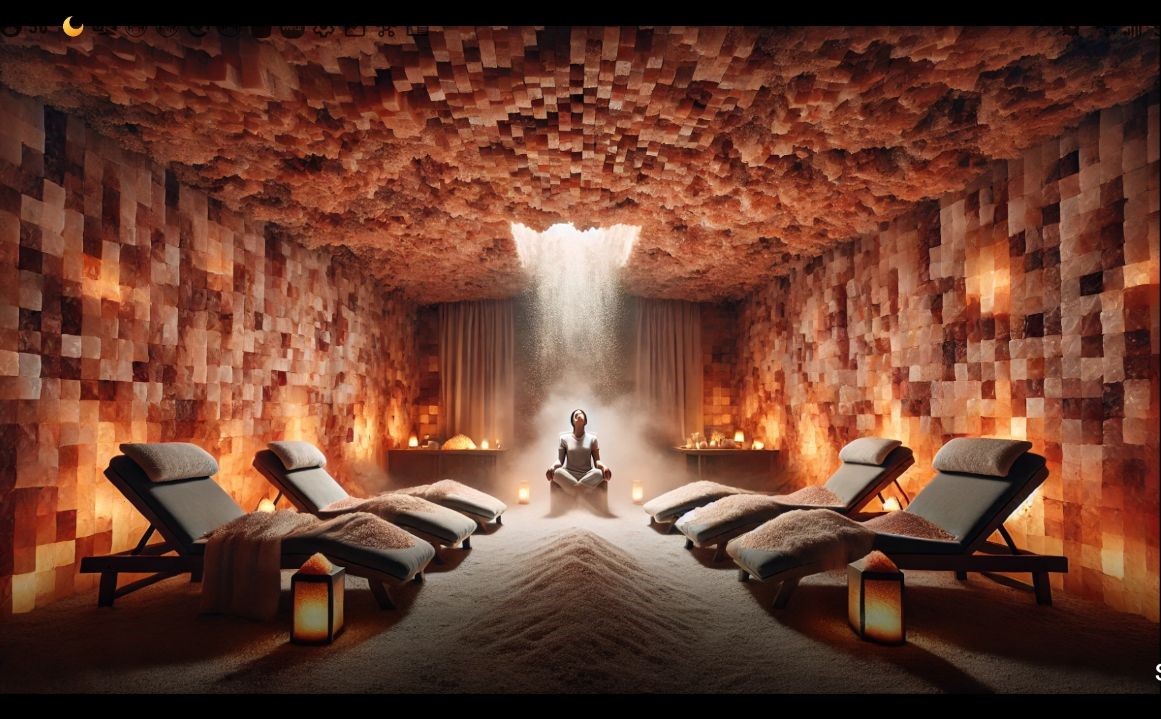
The feeling often arrives before you can name it: tight shoulders during the morning commute, a racing mind after work, or a sense that your body never fully powers down. Can a sound bath help anxiety? For many people, time with calming tones and vibrations can create a welcome pause from that constant mental noise. It is not a cure for an anxiety disorder, but it can be a gentle, non-invasive way to support relaxation and a more settled state of mind.
A sound bath is an invitation to take a step back from the bustle of everyday life. Rather than having to perform, problem-solve, or explain how you feel, you simply rest and listen. That simplicity is part of what makes the experience meaningful.
What a sound bath is really like
During a sound bath, a practitioner plays instruments such as crystal singing bowls, Tibetan bowls, chimes, or gongs. The sounds are sustained, layered, and often felt as much as heard. You may lie comfortably on a mat or recline in a supportive position while the tones move through the room.
There is no right way to experience it. Some guests notice their breathing slow within minutes. Others become aware of thoughts they had been carrying all day, then find those thoughts become less demanding. You may feel deeply peaceful, emotional, sleepy, or simply quiet. Every session can feel a little different.
Unlike a guided meditation, a sound bath does not require you to focus on a specific phrase, control your breathing, or clear your mind perfectly. The sound gives your attention somewhere soft to rest. When your mind wanders, you can return to the vibration and tone without judgment.
How a sound bath may support anxiety relief
Anxiety can keep the nervous system on alert, even when there is no immediate danger. Your heart rate may increase, muscles may tense, and thoughts may circle through worst-case scenarios. A calming environment and slow, resonant sound may help signal to the body that it is safe to soften for a while.
The potential benefit is less about one particular frequency fixing anxiety and more about the full experience: taking time out, lying down, reducing stimulation, and being surrounded by soothing sound. This kind of intentional rest can encourage a relaxation response. For someone who spends much of the week rushing between work, family responsibilities, appointments, and screens, that reset can feel significant.
Sound can also make relaxation more accessible for people who find silent meditation frustrating. In a quiet room, anxious thoughts can seem louder. With a sound bath, the bowls create a gentle point of focus. You do not have to force your mind to be blank. You only have to notice what you hear and let the session unfold.
For some guests, the benefit continues after the session. They may sleep more comfortably that night, feel less physically tense, or have more patience during a stressful day. Those effects vary, and they are usually most helpful when sound baths are part of a broader self-care routine rather than a one-time solution expected to change everything.
The role of the setting
A busy, noisy environment can make it hard for the body to let go. The setting matters. A clean, peaceful space, comfortable temperature, low lighting, and an experienced practitioner all help create the conditions for rest.
At The Salt Cavern, sound bowl experiences are designed as a restorative pause – a chance to settle into stillness and reconnect with how your body feels. For local guests who want a wellness practice that does not demand more effort from an already full schedule, a dedicated session can be a practical way to make room for calm.
What sound baths cannot do
It is reassuring to choose gentle wellness practices, but it is also important to have realistic expectations. A sound bath is not a replacement for mental health care, medication prescribed by your provider, or support from a licensed therapist. Anxiety can range from occasional stress to a condition that meaningfully affects sleep, relationships, work, and daily functioning. The right support depends on what you are experiencing.
If anxiety feels intense, persistent, or overwhelming, speak with a qualified healthcare or mental health professional. Seek immediate help if you are thinking about harming yourself or feel unable to stay safe. Sound therapy can be a comforting complement to professional care, but it should not be asked to carry the full weight of a serious mental health concern.
It also may not be the ideal fit for everyone on every day. People who are sensitive to sound, prone to migraines, managing certain ear conditions, or easily overwhelmed by sensory experiences may want to discuss their needs before booking. A good practitioner can explain the format, offer positioning options, and help you decide whether the experience feels appropriate.
How to get more from your session
You do not need special experience or equipment for a sound bath. Arrive a few minutes early so you are not carrying the stress of being rushed into the room. Wear comfortable clothing, silence your phone, and let the practitioner know if you need extra support for your neck, knees, or back.
Try not to measure the session while it is happening. You may not feel a dramatic shift, and that is completely okay. Rest can be subtle. Sometimes the value is simply spending an hour without reacting to notifications, obligations, or the pressure to be productive.
Afterward, give yourself a few quiet minutes before returning to errands or work if you can. Drink water, notice how your body feels, and avoid filling the space immediately with more noise. You might journal a few thoughts, take a short walk, or let the calm carry into a slower evening at home.
Consistency can be more useful than chasing a perfect experience. A monthly sound bath, a regular massage, a sauna session, movement, nourishing meals, quality sleep, and conversations with supportive people can all contribute to a steadier wellness routine. Anxiety rarely has one simple cause, so relief often comes from several small practices that work together.
Is a sound bath worth trying for anxiety?
If you are looking for a peaceful way to unwind, a sound bath can be worth trying. It may be especially appealing if traditional meditation feels difficult, your body holds stress as tension, or you simply need protected time away from daily demands. Think of it as a space to rest your attention, not a test you need to pass.
The most helpful question may not be whether sound baths work exactly the same for everyone. It is whether a calming, screen-free hour of listening helps you feel more grounded, more comfortable in your body, and better able to meet what comes next. Give yourself permission to find out gently – one quiet session at a time.