Your neck rarely gets tense for just one reason. It may be the laptop that sits a little too low, the commute, a stressful week, a pillow that is no longer supportive, or hours spent looking down at a phone. Learning how to ease neck tension starts with giving your body small, consistent chances to release instead of waiting until discomfort takes over the day.
Neck tension can feel like a dull ache at the base of the skull, tight bands across the shoulders, or a stiffness that makes it hard to turn your head comfortably. For many people, it is also connected to jaw clenching, shallow breathing, fatigue, and the feeling of carrying too much at once. A few calming adjustments can make a meaningful difference.
Start With Gentle Movement, Not Force
When your neck feels tight, the urge to stretch hard can be strong. Usually, a gentler approach is more helpful. Muscles that have been guarding against stress or poor posture may tighten further when pushed too far. Move slowly, stay within a comfortable range, and let your breath guide the pace.
Try sitting tall with both feet on the floor. Let your shoulders soften away from your ears, then slowly turn your head to look over one shoulder. Hold for a few easy breaths before returning to center and repeating on the other side. There should be a mild stretch, never sharp pain or pinching.
A side neck stretch can also feel relieving. Bring one ear gently toward the same-side shoulder while keeping both shoulders relaxed. If it feels good, rest your hand lightly on the side of your head. The hand should add only the weight of a soft reminder, not pressure. Repeat on the other side.
Finish with shoulder rolls. Lift the shoulders toward the ears, glide them back, and lower them down. Do this slowly several times. Your shoulders and neck work as a team, so easing one often helps the other.
Use Warmth to Invite Your Muscles to Let Go
Heat can be especially soothing when stiffness comes from a long day, a chilly commute, or sustained time at a desk. A warm shower, heating pad, or warm towel across the upper shoulders may help your muscles relax before you stretch or rest.
Keep heat comfortable rather than intense, and avoid falling asleep with a heating pad on. Ten to 20 minutes is often enough to create a sense of ease. If your neck is newly injured, swollen, or inflamed, cold may be more appropriate at first. It depends on what caused the discomfort and how your body responds.
Adjust the Habits That Keep Tension Coming Back
A massage can feel wonderful, but lasting relief often comes from noticing what happens between appointments. The goal is not perfect posture all day long. Bodies are meant to move. The more useful goal is to avoid staying in any one position for too long.
If you work at a computer, bring the top third of your monitor closer to eye level so you are not constantly looking down. Keep your keyboard close enough that you are not reaching forward with your shoulders. A chair that supports your lower back can also make it easier for your upper body to relax.
Set a quiet reminder to stand, walk, or simply change positions every 30 to 60 minutes. Even one minute can help. Look across the room or out a window, gently move your shoulders, and take a few full breaths. These small resets are often more realistic than a long stretching session you never get around to doing.
Phone use deserves attention, too. Holding a phone at chest level for long stretches asks the neck to support the weight of the head at an awkward angle. Bring the screen closer to eye level when possible, use voice-to-text for longer messages, and take breaks from scrolling when you notice your chin drifting toward your chest.
Breathe Lower and Soften Your Jaw
Stress has a way of settling in the jaw, neck, and shoulders. When life feels rushed, breathing often becomes shallow and high in the chest. This can quietly encourage the muscles around the collarbones and neck to work harder than they need to.
Take a moment to place one hand on your chest and one on your lower ribs or abdomen. Breathe in slowly through your nose and allow the lower hand to rise first. Then exhale gently and a little longer than you inhaled. Try five breaths without forcing them.
As you exhale, check your jaw. Let your teeth separate slightly and rest your tongue softly behind your top front teeth. You do not need to hold your mouth open. You are simply giving your face a signal that it does not have to brace. This simple practice can be useful before bed, during a demanding workday, or anytime you catch yourself clenching.
Choose a Pillow That Supports Your Natural Alignment
Your sleep setup can either support a calmer neck or make mornings feel stiff before the day even begins. The right pillow is personal, but it should generally keep your head in line with your spine rather than bending it sharply up, down, or to one side.
Side sleepers often need enough pillow height to fill the space between the ear and shoulder. Back sleepers may prefer a lower, supportive pillow that does not push the head too far forward. Stomach sleeping can be challenging for the neck because it requires turning the head to one side for long periods. If that is your usual position, gradually shifting toward side or back sleeping may help, though changes in sleep habits can take time.
Pay attention to how you feel when you wake up. A pillow does not need to be expensive to be useful, but one that is flattened, lumpy, or no longer supportive may be contributing to recurring tension.
How to Ease Neck Tension With Restorative Care
Sometimes at-home care is enough. Other times, the body benefits from a dedicated pause in a peaceful setting. Massage therapy can help address the tightness that builds through the upper back, shoulders, and neck, while creating space to fully rest. A skilled therapist can adjust pressure based on your comfort and focus on the areas that feel most restricted.
Infrared sauna sessions may also support a soothing self-care routine for people who enjoy gentle warmth and quiet time. The warmth can feel especially comforting before or after light stretching. Hydration matters here: drink water before and after, and leave the session if you feel overheated, lightheaded, or unwell.
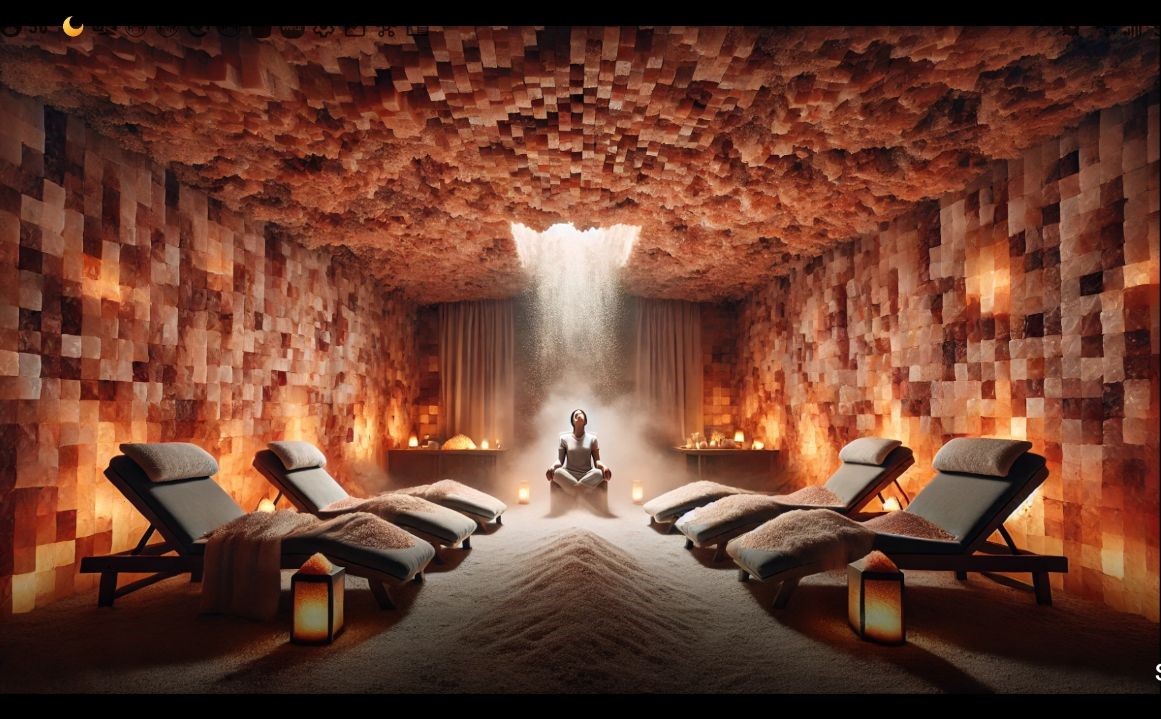
Stress-related neck tension is not always just a muscle issue. It can be a sign that your nervous system has been asked to stay alert for too long. Calming experiences such as sound bowl sessions, acupuncture, or a restorative massage may help you create a more intentional reset. At The Salt Cavern, these moments of care are designed to help you step back from the bustle of everyday life and return feeling more refreshed.
Know When to Seek Medical Care
Most everyday neck tension improves with rest, movement, and better routines. Still, do not ignore symptoms that feel unusual or severe. Seek prompt medical attention after a fall, accident, or sudden injury, or if neck pain comes with fever, a severe headache, numbness, tingling, weakness, dizziness, trouble walking, or pain that travels into the arm.
It is also wise to speak with a health care professional if the discomfort persists, worsens, regularly interrupts sleep, or does not improve after a few weeks of gentle self-care. A massage or wellness service can complement your routine, but it is not a replacement for medical evaluation when symptoms call for it.
Your neck does a remarkable amount of quiet work every day. Give it a few minutes of movement, warmth, breath, and rest before it has to demand your attention. Small moments of care can become a calmer way to move through the day.