A full calendar, a tense jaw, and a mind that keeps replaying the day can make even quiet time feel anything but restful. That is where a sound bowl experience can offer a different kind of pause. Understanding how sound bowl therapy works can help you arrive with realistic expectations and make the most of time set aside for yourself.
Sound bowl therapy is a deeply calming wellness practice centered on sustained tones and gentle vibration. During a session, the bowls are played around you while you rest comfortably, giving your attention something simple and steady to follow. There is nothing you need to perform, fix, or figure out. Your role is simply to get comfortable, listen, and let the experience unfold.
How Sound Bowl Therapy Works in a Session
Sound bowls, often made from metal alloys or crystal, are played by gently striking them or moving a mallet around their rim. This creates resonant tones that can linger in the room long after the bowl is first played. Rather than a song with lyrics or a predictable beat, the sound shifts in layers, with soft harmonics that rise, fade, and overlap.
Your brain naturally notices sound. When the sounds are slow, spacious, and repetitive, many people find it easier to move their focus away from racing thoughts and toward the present moment. The experience can feel similar to the relief of sitting near ocean waves or listening to rain, except the tones are more immersive and intentional.
The bowls also produce vibrations. Depending on the setting and the type of session, you may sense subtle movement in the air, through the floor, or in your body. Some people feel that sensation clearly, while others mainly notice the sound. Both responses are completely normal.
A sound bowl session is usually experienced lying down or reclining in a quiet, comfortable space. The practitioner may begin with a few moments of settling in, then play bowls at varied distances and volumes throughout the room. Sessions often close with a period of silence, allowing you to notice how you feel before returning to the pace of your day.
Why the Body May Feel Calmer
Many people spend their days in a state of constant readiness: answering messages, meeting deadlines, caring for family, commuting, and moving from one responsibility to the next. Sound bowl therapy creates a dedicated window with fewer demands on your attention.
The long tones can encourage slower breathing and a quieter mental rhythm. When you are no longer trying to keep up with external stimulation, your body may begin to soften. Shoulders can drop. Facial muscles may relax. Thoughts may feel less urgent. For some guests, that shift comes quickly. For others, it takes most of the session, especially during periods of high stress.
It helps to think of sound bowls as a supportive environment for relaxation, not a switch that guarantees a particular result. Your experience may be shaped by sleep, stress levels, sensitivity to sound, and whether you have given yourself enough time to arrive mentally. A busy mind does not mean you are doing it wrong. Noticing it, then gently returning to the sound, is part of the practice.
Sound Is an Anchor for Attention
During meditation, people are often encouraged to return to the breath. In a sound bowl session, the tones can serve a similar purpose. When your mind wanders to tomorrow’s schedule or an unfinished conversation, you can listen for the longest note in the room, the vibration that is fading, or the space between sounds.
This is one reason sound therapy can feel approachable for people who find traditional silent meditation challenging. Silence can make thoughts feel louder at first. The bowls offer a gentle point of focus without requiring you to control your breathing, hold a posture, or clear your mind.
Rest Can Feel Different for Everyone
You may feel peaceful and grounded. You may feel sleepy, emotional, warm, or pleasantly heavy. Some guests notice vivid thoughts or memories as the usual distractions become quieter. Others doze off and wake up feeling refreshed.
There is no ideal sensation to chase. Even if you remain fully awake or your thoughts continue to come and go, time spent resting without interruption can still be meaningful. The goal is not to force a breakthrough. It is to give your nervous system a softer setting in which to settle.
What to Expect From Your First Experience
Wear comfortable clothing and plan to arrive a few minutes early so you do not carry the rush of parking, traffic, or a last-minute phone call into the room. Before the session begins, silence your phone and let the practitioner know if you have any concerns about sound sensitivity, comfort, or positioning.
Once you are settled, you may be offered a blanket, bolster, or eye covering. These small details matter. Physical comfort makes it easier to stay present rather than adjusting your body throughout the experience. If you need to shift positions, cough, or take a breath, that is perfectly fine. A sound bowl session is not meant to feel rigid.
The volume is generally gentle, but every person hears and processes sound differently. If a tone feels too intense, let the practitioner know. Wellness care should feel supportive and respectful of your comfort, not like something you have to push through.
Afterward, give yourself a moment before jumping back into tasks. Drink water, take a few slow breaths, and notice whether your body feels different than it did when you walked in. Some people prefer a quiet drive home, while others enjoy pairing a sound bowl experience with a massage, infrared sauna session, or another restorative service. It depends on what your body needs that day.
What Sound Bowl Therapy Can and Cannot Do
Sound bowl therapy is often chosen as part of a self-care routine for stress relief, relaxation, and mental reset. It can be a beautiful complement to practices such as gentle movement, massage, mindful breathing, and consistent sleep habits. It is non-invasive, requires no recovery time, and asks very little of you beyond being present.
At the same time, it is not a replacement for medical care, mental health treatment, or treatment for ongoing pain and health conditions. If you are managing a medical concern, have a hearing condition, experience sound-triggered migraines, or feel uncertain about whether a session is right for you, speak with a qualified health professional and share relevant information with your practitioner.
Pregnancy, recent injuries, and sensitivity to vibration do not automatically rule out a session, but they are good reasons to have a conversation beforehand. A thoughtful practitioner can help you decide whether adjustments are appropriate or whether another wellness service may be a better fit.
Making Sound Bowls Part of Your Wellness Routine
One session can feel like a welcome reset, particularly after a demanding week. Regular sessions may be more helpful for people who want to create a reliable ritual of slowing down. There is no universal schedule. Some guests come when stress begins to build, while others reserve time monthly as a personal check-in.
Try approaching each visit without pressure to reproduce a previous experience. Your body and mood will not be exactly the same every time. One session may leave you energized, another may make you want an early bedtime. Both can be useful signals that you have finally made room to listen.
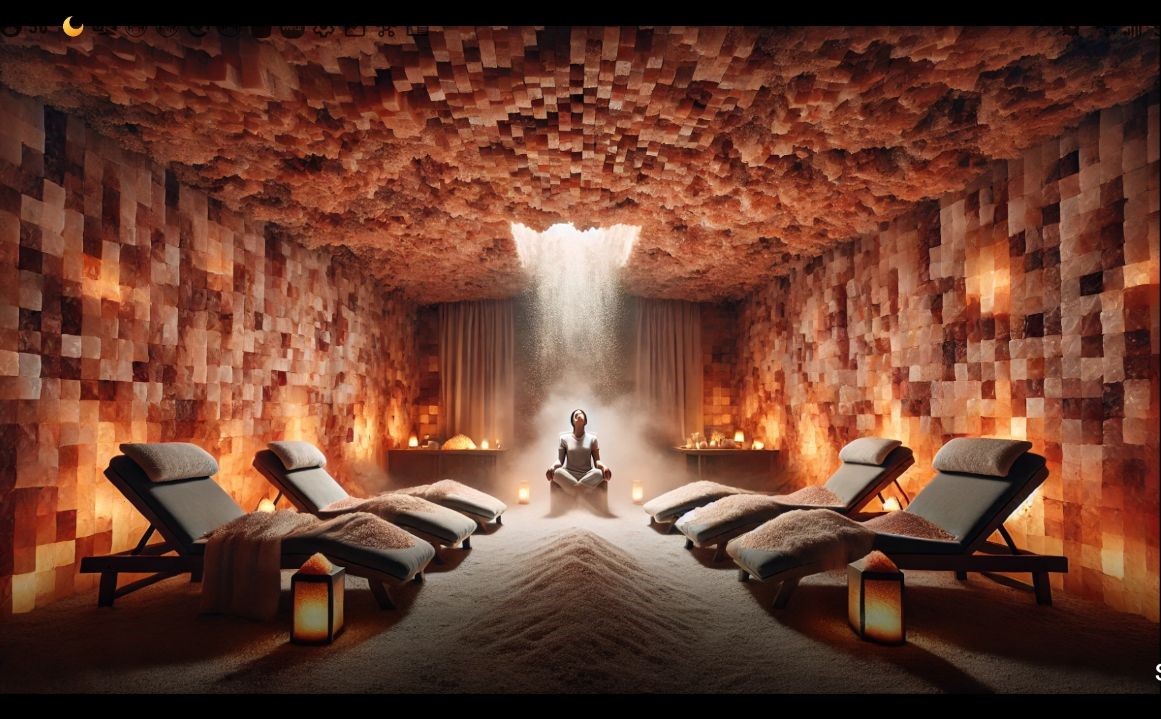
At The Salt Cavern, a sound bowl experience can be a gentle invitation to take a step back from the bustle of everyday life. Choose a time when you can move a little more slowly afterward, settle into the tones, and let rest be enough for the moment.