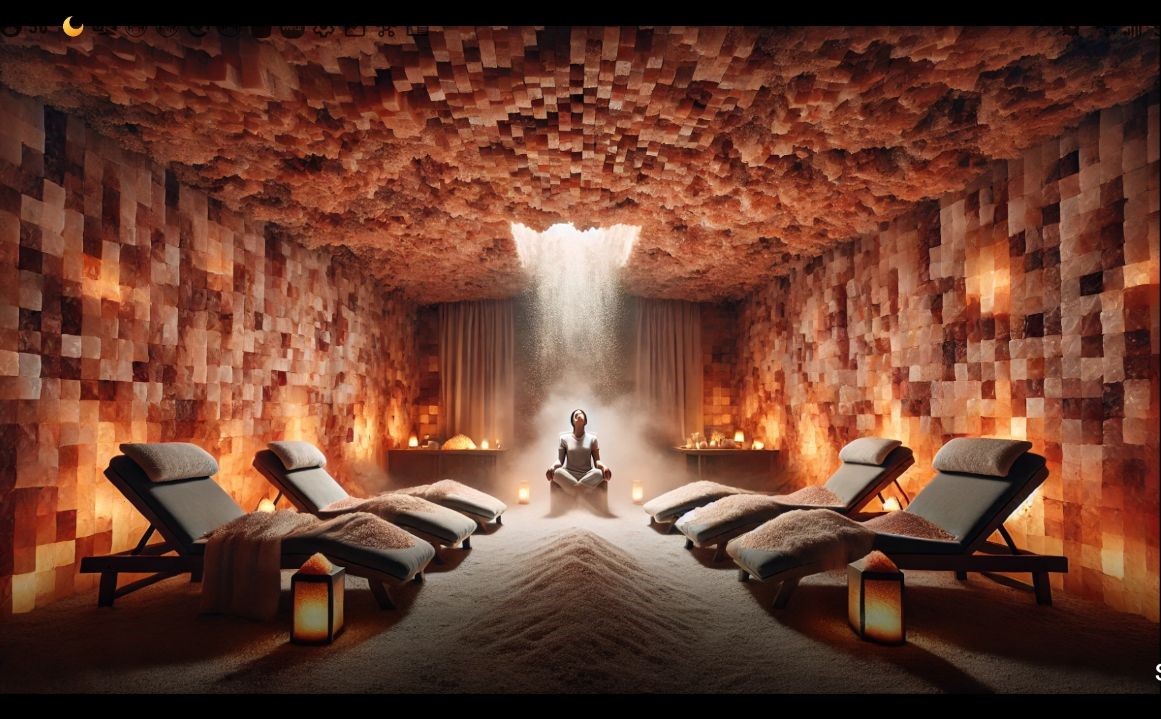
A salt room looks peaceful on purpose, but the calm setting is only part of the experience. If you have ever wondered how salt room sessions work, the short answer is this: you relax in a specially prepared room while tiny salt particles are dispersed into the air for you to breathe in gently over time.
That sounds simple, and in many ways it is. Salt therapy is meant to feel easy, restful, and non-invasive. You are not being pushed through a demanding treatment. You are stepping away from noise, settling your body, and giving yourself time in a quiet environment designed to support comfort and renewal.
How salt room sessions work in simple terms
Salt room sessions are built around halotherapy, which uses dry salt aerosol in a controlled space. During a session, a medical-grade device called a halogenerator grinds pure salt into microscopic particles and releases them into the room. Those particles circulate through the air while you sit back and breathe normally.
Because the particles are so fine, they can travel through the airways more effectively than ordinary salt in a decorative setting. That distinction matters. A room lined with salt can create a soothing atmosphere, but a true halotherapy session relies on breathable dry salt particles being actively dispersed.
At the same time, the room itself is designed to help you slow down. Soft lighting, comfortable seating, and a quiet pace all contribute to the experience. For many guests, that sense of stillness is part of why the session feels so restorative.
What happens during a session
Most salt room visits begin very simply. You arrive, get settled, and are shown into the room. There is no major preparation, no invasive equipment, and usually no need to change into anything special beyond comfortable clothing.
Once the session starts, you sit or recline and breathe as you normally would. Some people close their eyes and rest. Others meditate, listen quietly, or just enjoy doing nothing for a little while. The treatment itself is passive, which is one reason busy adults tend to appreciate it. You do not need to perform, stretch, or keep up with instructions. You just let the environment do its work while you relax.
A typical session often lasts around 30 to 45 minutes, though timing can vary by location and room type. During that time, the air may feel slightly different from a standard room, sometimes a bit drier, and you may notice a faint salty taste. Some guests feel immediate ease in the space. Others simply enjoy the rare chance to unplug.
What the salt is meant to do
Dry salt therapy is often used by people looking for support with breathing comfort, sinus congestion, seasonal irritation, or the effects of dry indoor air and everyday environmental exposure. Salt is valued for its naturally absorbent and cleansing properties, which is why halotherapy is often associated with respiratory and skin wellness.
When inhaled during a session, the tiny particles are thought to interact with moisture and mucus in the airways. For some people, that can feel clarifying, especially if they tend to deal with stuffiness or heaviness in the nose and chest. On the skin, the dry salt environment may also appeal to guests who want a gentle wellness experience that supports overall skin comfort.
That said, experiences vary. Some people feel a difference quickly, while others notice benefits only with regular sessions. And for some guests, the main benefit is not dramatic symptom relief but the reset that comes from sitting still in a calming space for half an hour.
Why the room matters as much as the salt
When people ask how salt room sessions work, they are often thinking only about the salt particles. But the room matters too. Wellness is rarely about one single input. It is often the combination of environment, routine, and consistency that shapes how you feel.
A well-designed salt room removes some of the friction of everyday life. The lights are softer. The pace is slower. Your phone is out of the way. Your breathing naturally becomes more noticeable because there is finally enough quiet to pay attention to it. That shift alone can help guests move out of a rushed, overstimulated state.
For someone balancing work, family, errands, and constant notifications, that change in pace is not small. It can be the difference between feeling depleted and feeling a little more grounded when you leave.
What a first visit usually feels like
If it is your first salt room session, you do not need to overthink it. Most guests describe the experience as easy and calming. You walk in, settle down, and let yourself be still.
Some people notice subtle sensations during the session. You might feel your nose begin to clear a bit, or you may cough lightly as your airways respond to the dry salt environment. That is not unusual. Others notice nothing dramatic at all in the moment and simply leave feeling more rested than when they arrived.
It also helps to set reasonable expectations. A salt room is not meant to feel intense. It is gentle by design. If you are expecting a dramatic, instant effect, the experience may seem understated. If you are looking for a peaceful wellness practice that fits into real life, it often makes more sense.
How often people book salt room sessions
The right frequency depends on your goals. Some guests book a salt room session as an occasional reset when life feels especially hectic. Others prefer to make it part of a regular wellness rhythm, much like massage, sauna time, or facials.
If your focus is stress relief and relaxation, even periodic sessions may feel worthwhile. If you are visiting for breathing comfort or ongoing wellness support, consistency is usually more helpful than a one-time appointment. The effects of gentle therapies often build through repetition rather than one single visit.
This is where a wellness spa setting can be especially helpful. When salt therapy is part of a larger self-care routine, it becomes easier to return regularly and treat wellness as maintenance rather than a last resort.
Who may enjoy salt therapy most
Salt room sessions tend to appeal to adults who want a non-invasive way to pause, breathe, and recharge. That includes working professionals carrying stress in their bodies, parents who rarely get quiet time, and wellness-minded guests looking for support that feels natural and simple.
It can also be appealing if you deal with seasonal stuffiness, indoor air irritation, or just that heavy feeling that comes from being run down. Even people who come in mainly for the relaxation aspect often end up appreciating the breathing space, literally and emotionally.
At the same time, it is good to be practical. Salt therapy is a wellness service, not a cure-all. If you have a medical condition, severe respiratory symptoms, or specific concerns about whether halotherapy is right for you, it makes sense to check with your healthcare provider.
How salt room sessions work best with other wellness habits
One of the nicest things about salt therapy is that it fits easily into a broader self-care routine. It does not compete with other wellness practices. It complements them.
A salt room session can pair naturally with massage for tension relief, with an infrared sauna session for a deeper sense of warmth and release, or with a facial when your goal is full-body restoration. At The Salt Cavern, that whole-person approach is part of what makes the experience feel different from a quick stop at a basic spa or salon. You are not just checking off one service. You are creating space to feel better in more than one way.
Still, there is no single perfect combination. Some guests want a full wellness day. Others need just 30 quiet minutes between work and home. Both are valid. The best routine is the one you can return to consistently.
A calm approach to trying it for yourself
If you have been curious about salt therapy but unsure what to expect, start with this mindset: you do not need to force anything. You do not need prior experience, special knowledge, or a big commitment. You simply show up, settle in, and let the session unfold.
That gentle approach is part of why salt rooms continue to attract people who want wellness to feel supportive rather than complicated. In a culture that often treats self-care like one more task to optimize, there is something refreshing about a service built around stillness, breath, and quiet comfort.
Sometimes feeling better starts with doing less, not more. A salt room session gives you permission to sit, breathe, and reset – and for many people, that is exactly what has been missing.