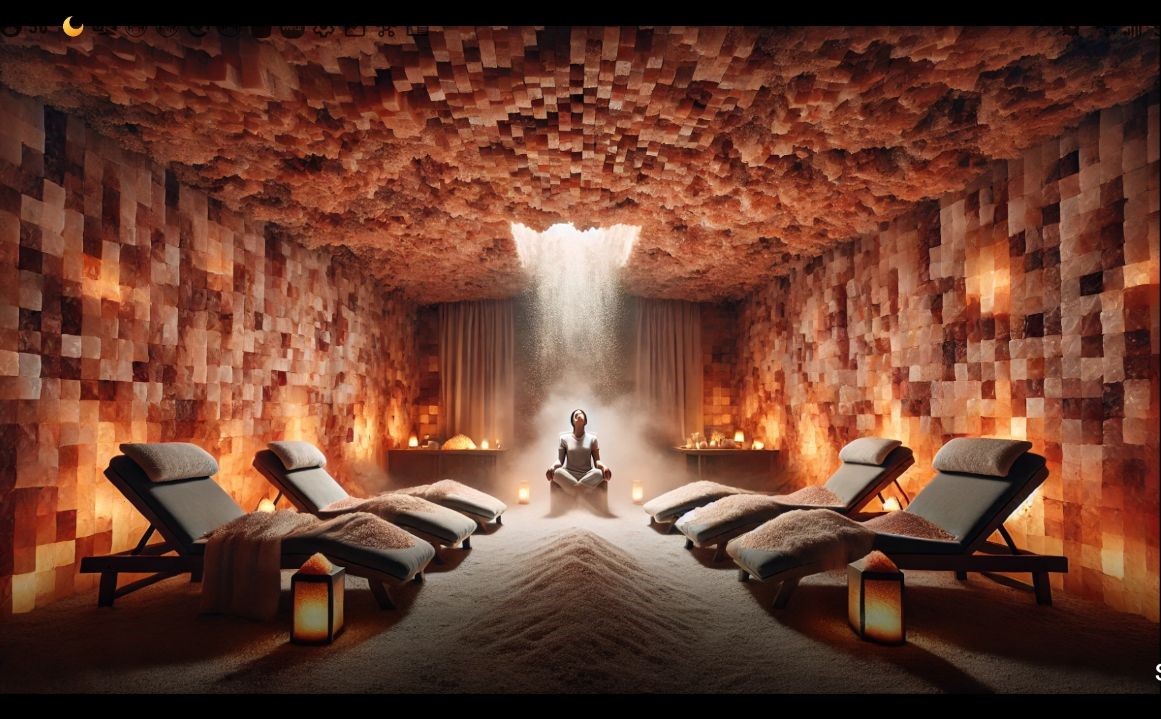
Some wellness services ask a lot from you. Halotherapy is different. You sit back, breathe, and let the room do the work. For people who feel run down, congested, stressed, or simply overstimulated by a full week, the appeal is easy to understand. The most meaningful halotherapy session benefits often come from that simple pause – a quiet stretch of time that supports both breathing comfort and mental reset.
Salt therapy has become a go-to option for people who want a non-invasive way to support everyday wellness. It is not a cure-all, and it should not replace medical care when you need it. But for many adults, it can be a welcome part of a regular self-care rhythm, especially when life feels heavy and the body is asking for recovery.
What happens during a halotherapy session?
In a dry salt therapy session, you relax in a calming room while a halogenerator disperses tiny salt particles into the air. These microscopic particles are inhaled as you breathe normally. The environment is designed to be peaceful, quiet, and comfortable, which is part of the experience itself.
You do not need to do anything complicated to benefit from the session. There is no intense physical effort, no complicated prep, and no recovery time afterward. That simplicity is one reason halotherapy fits so well into busy schedules. You can come in carrying the stress of the day and leave feeling like your system has had a chance to settle.
Halotherapy session benefits for breathing comfort
One of the most talked-about halotherapy session benefits is support for the respiratory system. Many people seek salt therapy when they feel bothered by seasonal discomfort, dry air, sinus pressure, or that heavy, stuffy feeling that never seems to fully go away.
Salt has natural properties that may help create a cleaner-feeling airway environment. For some guests, sessions feel soothing when they are dealing with mild congestion or irritation. They often describe breathing as feeling lighter or more open afterward. That does not mean every session produces a dramatic effect, and results vary from person to person. Still, for those who regularly feel affected by indoor air, pollen, weather changes, or everyday buildup, halotherapy can feel like a gentle reset.
This is also why many people choose consistency over a one-time visit. Just like other wellness practices, the experience can be more noticeable when it becomes part of a routine instead of a last-minute fix.
A calming reset for stress and mental fatigue
Not every benefit of salt therapy is about the lungs. Sometimes the biggest shift happens in the nervous system.
Many adults spend their days moving from one demand to the next. Work, family, traffic, notifications, errands – it all adds up. A halotherapy session offers something rare: stillness without pressure. You are not being asked to perform, talk, or multitask. You are simply resting in a quiet environment designed to help you exhale, mentally and physically.
That alone can be deeply restorative. Guests often leave feeling calmer, clearer, and less tense than when they arrived. For some, the session feels meditative. For others, it is one of the few moments in the week where they are not taking care of everyone else first.
There is also a practical side to that calm. When stress is lower, people often notice they feel more patient, more focused, and more able to handle the rest of the day. Wellness does not always have to be dramatic to be valuable. Sometimes it looks like sleeping better, snapping less, or finally feeling your shoulders drop.
Support for skin and overall comfort
Another reason people explore salt therapy is skin comfort. Dry salt environments may be helpful for some individuals dealing with mild skin irritation or imbalance. Because salt is associated with cleansing properties, some guests feel their skin looks fresher or less reactive after regular sessions.
As with respiratory support, this is not a guaranteed outcome for everyone. Skin is personal, and what helps one person may not help another. But when someone is looking for wellness options that feel gentle rather than aggressive, halotherapy can be an appealing addition to a broader self-care plan.
Even beyond visible skin concerns, many people simply enjoy the way they feel in a salt room. Clean air, soft lighting, and a quiet setting can create a full-body sense of ease that extends past the session itself.
Why the setting matters as much as the salt
It is easy to focus only on the physical effects of halotherapy, but the setting matters too. A peaceful wellness space changes the experience. If the room feels calming, the staff is welcoming, and the atmosphere encourages rest, your body tends to respond differently than it would in a rushed or clinical environment.
That is part of what makes halotherapy so appealing in a wellness spa setting. The service does more than target one issue. It supports a broader feeling of restoration. You are not just coming in because your sinuses feel off or your stress is high. You are giving yourself a protected pocket of time to recharge.
At a place like The Salt Cavern, that experience can feel especially supportive for local clients who want wellness care that is both gentle and accessible. It fits naturally alongside massage, facials, sauna time, and other services that help the body slow down and recover.
What halotherapy can and cannot do
A grounded approach matters here. Halotherapy can be a beautiful part of a wellness routine, but it works best when expectations are realistic.
It may help you feel more relaxed. It may support easier breathing. It may leave you feeling refreshed, rested, and less overwhelmed. For some people, those effects are noticeable right away. For others, they build over time.
What it cannot do is promise a specific medical result. If you have asthma, chronic respiratory conditions, severe allergies, or a skin condition that needs treatment, it is smart to speak with your healthcare provider about whether halotherapy makes sense for you. Wellness services should support your life, not replace the care you genuinely need.
That balance is part of what makes salt therapy appealing. It does not have to be sold as magic to be worthwhile. Its value often comes from being simple, soothing, and easy to return to.
How to get the most from halotherapy session benefits
If you are curious about trying salt therapy, the best approach is to arrive with an open mind and a little patience. Wear comfortable clothing, give yourself time to settle in, and treat the session like a true pause rather than another item to rush through.
Hydration can help before and after your visit, especially if you are spending time in dry wellness environments. It is also helpful to notice how you feel later that day and the next morning. Some people feel immediate clarity, while others notice more subtle changes, like easier breathing at night or a calmer mood.
If you enjoy the experience, regular sessions may offer more noticeable support than an occasional drop-in. Wellness tends to work best through rhythm. A single visit can feel lovely, but a consistent practice often creates the deeper shift people are actually looking for.
Who tends to enjoy salt therapy most?
Halotherapy often appeals to people who want care that feels restorative without being complicated. Busy professionals appreciate that they can step away from noise and screens for a while. Parents often value the chance to rest without demands. People who deal with seasonal stuffiness, indoor air discomfort, or general stress may find it especially worthwhile.
It is also a strong fit for anyone building a more intentional self-care routine. If you already value massage, facials, sauna sessions, or other wellness experiences, halotherapy can complement that lifestyle naturally. The point is not perfection. It is giving your body and mind regular opportunities to recover.
The beauty of salt therapy is that it meets people where they are. You do not need to be an expert in wellness to enjoy it. You just need a little time, a willingness to slow down, and a space that helps you breathe a bit easier.