Some days, stress does not show up as a feeling first. It shows up as tight shoulders, a clenched jaw, a tension headache, restless sleep, or that sense that your body never fully powers down. If you have been searching for massage for stress relief near me, you are likely not looking for anything extravagant. You are looking for real relief, close to home, from a place that feels calm the moment you walk in.
That search makes sense. Stress has a way of settling into the body quietly and staying longer than it should. A good massage can help interrupt that cycle. It creates space for your nervous system to soften, your breathing to slow, and your muscles to let go of the tension they have been holding all week.
Why massage for stress relief near me is worth seeking out
When stress becomes part of your routine, your body adapts in ways that do not feel good. Muscles stay guarded. Sleep becomes lighter. Focus gets harder. Even your mood can shift when your body never gets a chance to relax.
Massage supports stress relief by working on both the physical and mental sides of tension. The physical part is easy to notice. Knots in the neck, heaviness in the shoulders, lower back tightness, and tired legs often improve when muscles are gently and intentionally worked. The mental side matters just as much. A quiet treatment room, steady touch, and one uninterrupted hour away from demands can help you reset in a way that is hard to create on your own.
That does not mean every massage feels the same or works the same way. If your stress shows up mostly as soreness and tightness, you may want more focused bodywork. If you feel overstimulated, anxious, or emotionally drained, a gentler session may be more supportive. The right fit depends on what your body is asking for.
What to expect from a stress relief massage
If you have not booked a massage in a while, or ever, the unknown can make it easier to put off. In reality, the experience should feel simple and welcoming from the start.
A massage for stress relief usually begins with a short conversation about how you have been feeling, where you hold tension, and how much pressure feels comfortable. This is an important part of the session. Stress relief does not always mean deep pressure. For some people, firm work feels best because it releases built-up muscle tension. For others, lighter pressure is more relaxing and allows the body to ease into rest.
During the session, the goal is not just to work on sore spots. It is to help your whole system settle. That might include slower strokes, focused work on the neck and shoulders, and attention to areas that often tighten during stressful periods, such as the upper back, scalp, hands, and feet.
Afterward, many people notice they feel lighter, quieter, or more grounded. Some feel immediate relief. Others notice the biggest difference later that evening, when they realize they are breathing deeper or falling asleep more easily. It depends on how much tension your body has been carrying and how long it has been there.
Choosing the right massage for stress relief near me
Local convenience matters more than people think. When a massage is nearby, it becomes easier to make it part of your routine instead of something you only do once in a while. A session close to home or work can turn into a realistic form of self-care rather than another item on a long to-do list.
Beyond location, look for a place that feels peaceful, clean, and professionally run. The environment affects the experience. If your goal is stress relief, the setting should support that goal from the moment you arrive. A rushed, noisy, or impersonal space can work against the very thing you came in for.
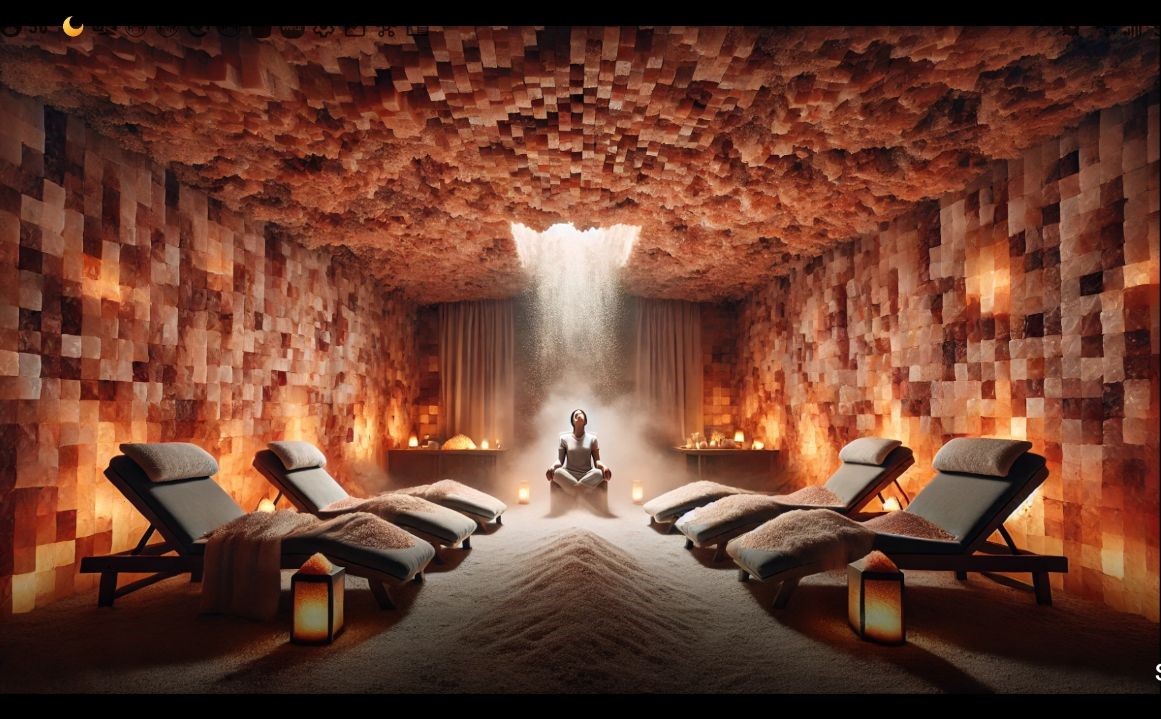
It also helps to choose a wellness setting that understands stress does not always exist on its own. Sometimes it comes with fatigue, sinus pressure, poor sleep, or a general sense of burnout. In those cases, having access to other restorative services can make your visit feel more complete. For example, some people pair massage with an infrared sauna session for deeper relaxation, or choose salt therapy when stress and seasonal breathing discomfort are happening at the same time.
How often should you get a massage for stress?
There is no one answer, and that is part of being honest about wellness. The best schedule depends on your stress level, budget, body, and lifestyle.
If you are going through a particularly demanding stretch at work or home, more frequent sessions may help you feel better faster. For others, once a month is enough to maintain a sense of balance and keep tension from building too high. If your stress tends to come in waves, you may prefer to book as needed during heavier seasons.
Consistency usually matters more than intensity. One excellent massage can feel wonderful, but regular care often creates the bigger shift. When your body starts to recognize what relaxation feels like again, it becomes easier to return to that state.
Signs you may need more than a one-time reset
Sometimes stress relief is about taking the edge off a tough week. Sometimes it is about noticing that your body has been asking for attention for a while.
You may benefit from ongoing massage if you regularly wake up tense, carry pain in your neck and shoulders, grind your teeth, feel emotionally depleted, or find it hard to rest even when you have the chance. These patterns often point to a nervous system that has been stuck in high alert. Massage cannot solve every source of stress, but it can support the body while you work through the rest.
This is also where a holistic wellness approach can make a real difference. At a place like The Salt Cavern, massage can be part of a broader routine that helps you recharge physically and mentally. For some guests, that means combining bodywork with a quiet sauna session or another calming service that gives them time to slow down completely.
When massage may not be the only answer
Massage is powerful, but it is not magic, and it is helpful to say that clearly. If your stress is tied to chronic pain, injury, severe anxiety, or ongoing sleep problems, massage can be part of your support plan without being the whole plan.
That is not a drawback. It simply means wellness works best when it is realistic. A massage can give your body relief, your mind a pause, and your week a softer landing. It may also help you notice how much tension you have normalized. From there, you can make better choices about rest, movement, hydration, boundaries, and the kind of care you need next.
How to get the most from your appointment
A few simple choices can help your session go further. Try not to rush in at the last minute if you can avoid it. Give yourself a few extra minutes to arrive, breathe, and transition out of the pace of the day. Communicate clearly about pressure and any sensitive areas. The more your therapist understands what you need, the more tailored the session can be.
After your massage, protect the calm if possible. Drink water, avoid jumping straight back into something hectic, and notice how your body feels over the next several hours. If you can keep the rest of your day a little lighter, the benefits often last longer.
Finding a local place you will actually return to
The best answer to massage for stress relief near me is not just the closest option on a map. It is the place that makes you feel cared for, comfortable, and eager to come back. Stress relief works best when it becomes something you can return to before you hit a wall.
Look for a spa or wellness center that respects your time, listens to your needs, and creates a setting where relaxation feels natural rather than forced. That kind of experience can turn a single appointment into a lasting self-care rhythm.
When life feels loud, relief does not always need to be complicated. Sometimes it starts with one quiet hour, one deep breath, and one choice to let yourself be cared for close to home.