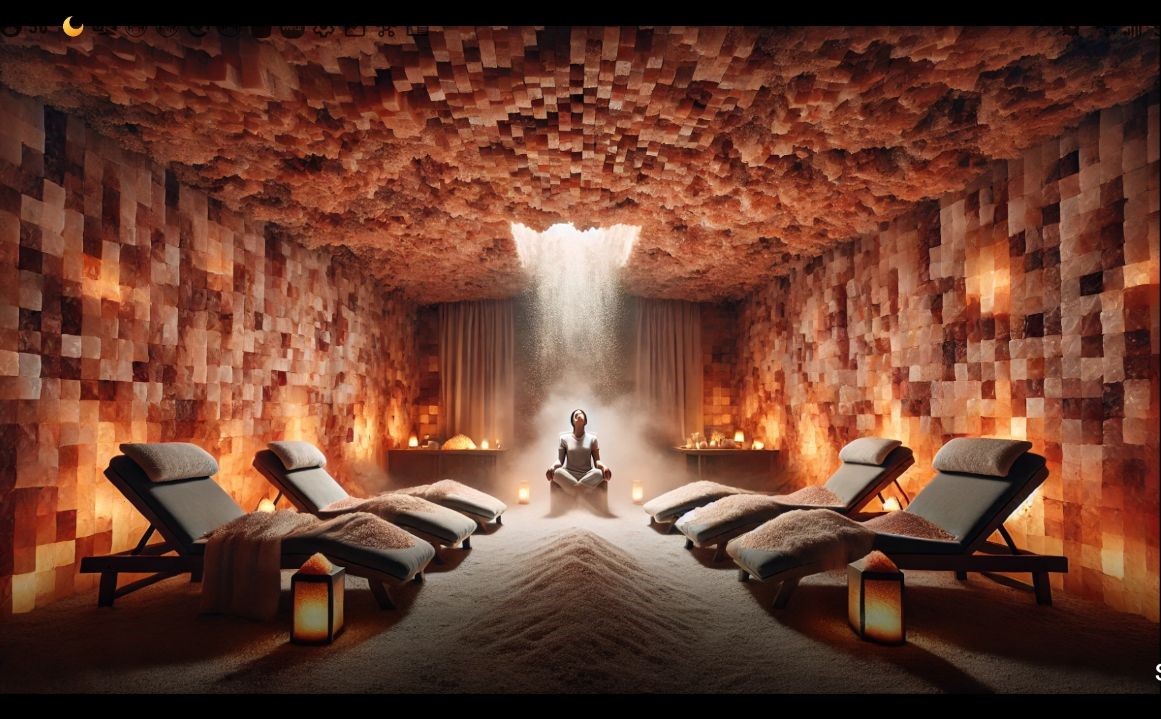
Some stress sits in the mind. Some of it settles into the shoulders, jaw, lower back, and chest until your whole body feels like it is bracing for one more email, one more errand, one more hard conversation. That is where massage benefits for stress become more than a treat. They become a practical way to help your body stop holding on so tightly.
For many people, stress does not always look dramatic. It shows up as restless sleep, a short temper, headaches, neck tension, shallow breathing, or the sense that even quiet moments do not feel fully restful. Massage can help interrupt that pattern. It creates a pause, but more importantly, it gives your nervous system a chance to shift away from constant alertness.
Why massage benefits for stress feel so immediate
One reason massage often feels helpful right away is that stress is physical. When your body is under pressure, muscles tighten, breathing can become faster, and the nervous system stays activated. Even after the stressful moment passes, the body may not fully reset on its own.
Massage works through touch, pressure, and rhythm. That combination can encourage muscles to soften, circulation to improve, and breathing to deepen. Many people notice that their thoughts feel less crowded once the body starts to relax. It is not magic, and it is not the same for everyone, but it is a real and noticeable shift.
There is also a mental side to it. During a massage, you are stepping away from noise, screens, and constant decision-making. For busy professionals, parents, and anyone carrying a full schedule, that quiet alone can be meaningful. A good session gives you space to stop performing for the day and simply receive care.
The physical benefits of massage for stress
Stress has a habit of collecting in predictable places. The shoulders creep upward. The neck stiffens. The back tightens. Sometimes the hands and feet even feel tense. Massage can help release these patterns before they become your normal.
One of the clearest benefits is reduced muscle tension. When muscles stay tight for too long, they can create discomfort that adds to emotional stress. It becomes a cycle – stress creates tension, and tension creates more stress. Massage can help interrupt that loop by loosening areas that have been working too hard.
Many people also find that massage helps with tension headaches and jaw tightness. If you clench your teeth, hold your jaw rigid, or feel pressure at the base of your skull, stress may be showing up there first. Gentle, targeted bodywork can ease that strain and help the whole upper body feel lighter.
Sleep is another major factor. It is hard to recover from stress if you are not sleeping well, and it is hard to sleep well if your body is still keyed up. Massage can help some people feel calmer at bedtime, especially if sessions are part of a regular self-care routine instead of a once-in-a-while response to burnout.
How massage supports the nervous system
At the center of stress relief is the nervous system. When life feels nonstop, your body can spend too much time in a fight-or-flight state. You may feel wired, distracted, tense, or emotionally drained even when nothing urgent is happening in the moment.
Massage encourages the opposite state – the one associated with rest, digestion, and recovery. This is why people often leave a session feeling quieter inside, not just looser in the muscles. Their body is no longer acting like every minute is an emergency.
That does not mean massage erases stress from your life. Deadlines still exist. Family responsibilities do not disappear. But it can help your body respond differently. Instead of staying stuck in high alert, you get support returning to a more balanced baseline.
For people who feel disconnected from their bodies, massage can also rebuild awareness. You may notice how much tension you have been carrying without realizing it. That awareness matters because once you can feel those patterns, you are more likely to address them earlier.
It depends on the type of massage and your stress pattern
Not every massage feels the same, and not every kind of stress needs the same approach. If you are emotionally drained, overstimulated, and craving quiet, a gentler massage may be the better fit. If your stress is showing up as stubborn knots and physical tightness, you may prefer firmer pressure or more focused work.
This is where communication matters. A session should be tailored to how you feel that day, not based on a one-size-fits-all idea of relaxation. Some people love deep pressure because it helps them feel release. Others find that too much intensity makes it harder to relax. Neither response is wrong.
Timing can matter too. A massage at the end of a demanding week may help you reset. A midweek appointment might prevent stress from building to the point of exhaustion. Regular monthly sessions work well for some people, while others benefit more from shorter intervals during especially busy seasons.
Massage benefits for stress at work and at home
Stress relief is not only about feeling good on the table. The best sign that massage is helping is what happens after. You may notice more patience, easier breathing, fewer tension headaches, or a better ability to wind down at night.
At work, this can mean improved focus and less physical strain from sitting, commuting, or staying at a desk for long periods. If your shoulders and neck are constantly tight, it is hard to feel clear and comfortable through the day. Massage can support a more relaxed posture and reduce the physical load that comes with stress-heavy routines.
At home, the benefits can be just as meaningful. Many people want to be more present with their family, more patient with their children, or simply less irritable by the end of the day. Stress often gets in the way of that. When your body feels calmer, it becomes easier to show up with more steadiness and less reactivity.
When massage works best as part of a larger wellness routine
Massage is powerful, but it is rarely the only answer. Stress is layered. It may come from poor sleep, overwork, grief, overstimulation, lack of downtime, chronic pain, or simply trying to carry too much for too long. Massage can help, but it works even better when it is part of a broader approach to care.
That might include quiet time away from screens, better hydration, movement, breathwork, stretching, or other restorative services that support relaxation. For some people, pairing massage with calming wellness experiences creates a deeper reset than massage alone. At a place like The Salt Cavern, that can look like building a self-care routine that supports both physical relief and mental calm.
There is also value in consistency. Waiting until you feel completely depleted usually means your body has been under strain for too long. Regular care tends to feel different. Instead of trying to recover from overwhelm, you are maintaining a steadier sense of balance.
What to expect if you are trying massage for stress relief
If you are new to massage, it helps to let go of the idea that you need to endure discomfort to get results. Stress relief does not have to feel intense. The best session is one that leaves you feeling safe, supported, and more at ease in your body.
Before your appointment, think about where you tend to hold tension, how your sleep has been, and whether you prefer lighter or firmer pressure. Share that with your therapist. A good massage experience is collaborative.
Afterward, give yourself a little space if you can. Drink water. Avoid rushing straight back into chaos. Even ten quiet minutes can help your body hold onto that calmer state a little longer.
If one session helps, that is wonderful. If it takes a few visits to notice a bigger difference, that is normal too. Stress patterns build over time, and sometimes the body needs repetition before it fully trusts the chance to let go.
A massage will not change everything waiting for you outside the treatment room. What it can change is how heavily that stress lives in your body, and sometimes that is the reset you need to breathe deeper, sleep better, and move through your days with a little more ease.