You can feel muscle tension before you even stop to think about it. It shows up in the neck after a long day at a desk, in the shoulders after stress builds, or in the lower back when your body has been carrying too much for too long. If you have ever wondered how massage eases muscle tension, the answer is both simple and deeply connected to how the body responds to pressure, movement, and rest.
Massage is not just about feeling pampered for an hour. It is a hands-on way to help the body shift out of a guarded, tight pattern and into a more relaxed state. For many people, that change is physical and emotional at the same time. When the body softens, the mind often follows.
How massage eases muscle tension in the body
Muscle tension usually builds for a reason. Sometimes it comes from physical strain, like repetitive movement, exercise, poor posture, or long hours driving. Other times it is tied to stress, poor sleep, dehydration, or simply never giving the body enough time to recover.
When a muscle stays contracted for too long, it can start to feel dense, sore, and less flexible. Blood flow may be reduced in that area, and nearby tissues can become irritated. You may notice stiffness first thing in the morning, discomfort with certain movements, or that constant feeling that your shoulders are creeping toward your ears.
Massage works by applying pressure and movement to soft tissue, which can help interrupt that cycle. As the muscles are kneaded, compressed, and stretched, they often begin to release. This can improve circulation to the area, helping oxygen and nutrients move in while waste products move out more efficiently. That is one reason the body often feels lighter and looser afterward.
There is also a nervous system response. When you are stressed, the body tends to stay braced. Muscles tighten as part of that protective pattern. Massage encourages the opposite response. It signals safety, slows things down, and supports the shift into a calmer state. That matters because a muscle that is always on alert is much harder to relax.
Why tight muscles are not always caused by exercise
It is easy to assume muscle tension only happens after a workout or heavy lifting. In reality, some of the most stubborn tightness comes from everyday habits. Sitting at a computer, scrolling on a phone, carrying a child on one hip, clenching the jaw, or sleeping in an awkward position can all create ongoing strain.
Stress is another major factor. Many people hold tension without realizing it. They tighten the neck, lock the shoulders, or brace through the hips and lower back. Over time, that pattern starts to feel normal, even when the body is working much harder than it needs to.
This is where massage can be especially helpful. It brings awareness to places you may have stopped noticing. Once those areas are addressed, you may realize how much unnecessary effort your body has been carrying.
What happens during a massage release
A tight muscle does not always let go all at once. Sometimes the release is immediate, and sometimes it happens gradually over the course of a session or even later that day. This depends on the cause of the tension, how long it has been there, and how sensitive the surrounding tissue has become.
Gentle pressure can warm the tissue and encourage it to soften. More focused techniques may help break up stubborn areas of tightness or adhesions that limit easy movement. In some cases, the therapist works around the tense area rather than directly on it, especially if the body is guarding or inflamed.
That is why a good massage should feel purposeful, not punishing. Deeper pressure is not always better. Some muscles respond best to slow, moderate work that allows the nervous system to relax. If the pressure is too intense, the body may tense up even more.
The role of circulation and mobility
One reason massage feels so restorative is that it supports better circulation. When blood flow improves, tissues can receive more of what they need to recover. That does not mean massage fixes every source of pain, but it can create better conditions for healing and comfort.
Improved circulation also pairs with better mobility. Tight muscles can restrict how easily a joint moves, whether that is the neck turning side to side or the hips opening during a walk. As the surrounding soft tissue loosens, movement often feels smoother and less effortful.
For people who sit most of the day or deal with recurring stiffness, this can make a meaningful difference. Even small improvements in range of motion can reduce strain on neighboring muscles and help the body move more evenly.
How massage eases muscle tension caused by stress
Not all tension begins in the muscles. Sometimes it begins in the mind, then settles into the body. A stressful week, poor sleep, or emotional overload can leave muscles feeling constantly switched on. You may not have done anything physically demanding, yet your body still feels exhausted and tight.
Massage helps because it creates a pause. The room is quiet. The body is supported. The mind has a chance to step back from the usual pace of the day. That calm environment, combined with therapeutic touch, can lower the sense of internal strain that keeps muscles contracted.
This is one reason regular massage can be useful even for people who are not dealing with a specific injury. It gives the body a chance to reset before tension becomes more disruptive. For busy professionals, parents, and anyone juggling a lot at once, that reset is often the part they did not realize they needed most.
Different types of massage, different results
Not every massage approaches tension in the same way. A lighter relaxation massage may be ideal if your body feels overwhelmed, fatigued, or generally tight from stress. It can calm the nervous system and encourage a broad sense of ease.
A deeper therapeutic massage may be a better fit if you have concentrated knots, postural strain, or specific areas that feel stuck. This kind of work can be very effective, but it should still be tailored to your tolerance and goals.
It depends on what your body needs that day. Some people want focused work on the neck and shoulders. Others need full-body attention because tension is spread throughout. The best sessions are guided by how you feel, not by a one-size-fits-all formula.
What massage can and cannot do
Massage can ease muscle tension, support recovery, and help you feel more comfortable in your body. It can improve flexibility, reduce stress-related tightness, and make everyday movement easier. For many people, it also improves sleep, which helps the body recover more fully.
At the same time, massage is not a cure for every kind of pain. If tension is linked to an injury, nerve issue, or medical condition, massage may need to be part of a broader care plan. Some soreness after a session can be normal, especially if deeper work was done, but sharp pain or lingering discomfort should not be ignored.
That is why communication matters. A skilled therapist adjusts the session based on your comfort, your health history, and how your body responds in real time.
Making the benefits last longer
One massage can bring noticeable relief, but lasting change often comes from consistency. If your tension comes from daily posture, stress, or repetitive strain, the body may return to old patterns without ongoing support.
Simple habits can help extend the effects of a session. Drinking water, moving gently afterward, stretching when it feels good, and paying attention to how you sit or sleep can all make a difference. Regular massage appointments can also help prevent tension from building to the point where it affects your mood, sleep, or mobility.
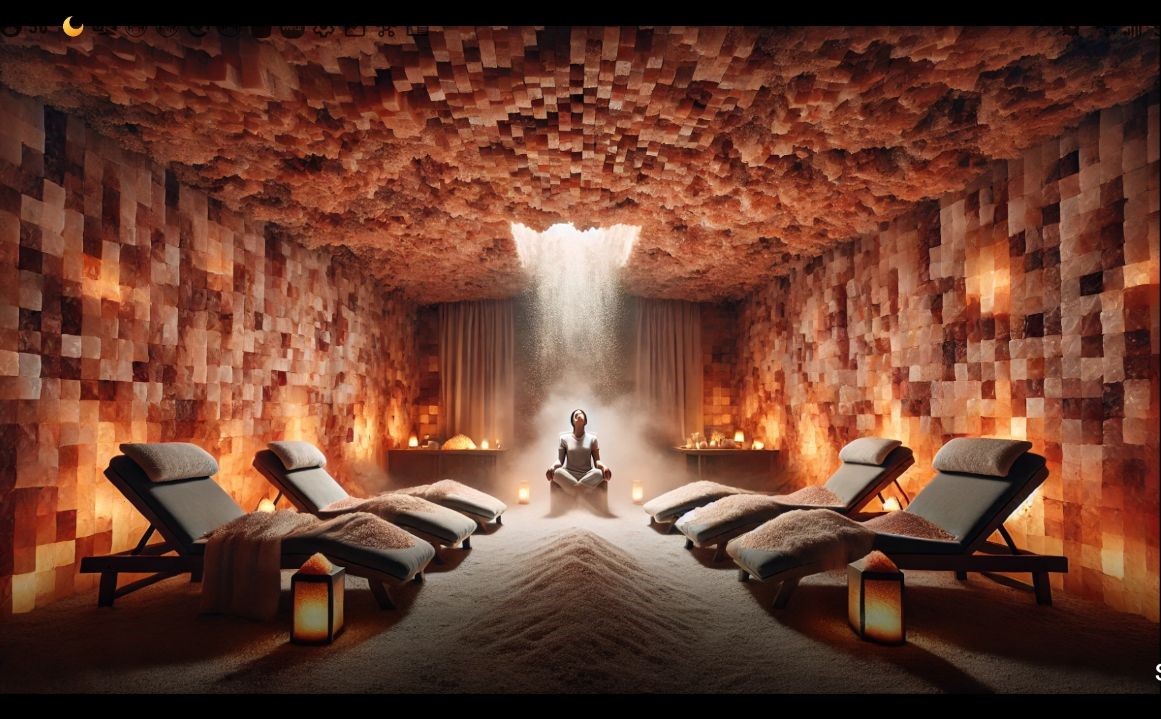
At a wellness-focused space like The Salt Cavern, massage can be part of a larger routine of restoration. When the body is given steady opportunities to relax and recover, tension often feels less like a constant burden and more like something you know how to manage.
Muscle tension has a way of asking for your attention, whether through stiffness, soreness, or that heavy feeling you carry through the day. Listening early is often the gentlest path. Sometimes relief begins with simply giving your body the time and care to soften.