A rough, dull, or uneven complexion can make skin feel harder to care for, even when you are using good products at home. Understanding how facials improve skin texture starts with recognizing that texture is not one issue. It can reflect buildup on the surface, dehydration, congestion, irritation, past breakouts, or simply the effects of a full and stressful week.
A professional facial creates a dedicated pause for your skin. With cleansing, thoughtful exfoliation, hydration, and hands-on care tailored to your needs, it can help your complexion look smoother, feel softer, and appear more refreshed. The best results tend to come from consistent care, not an overly aggressive treatment or a single appointment expected to change everything overnight.
What Skin Texture Really Means
Skin texture describes the way your skin looks and feels at the surface. Smooth skin still has pores and natural variation, but it usually reflects a healthy balance of moisture, gentle cell turnover, and a clean surface. When that balance is disrupted, skin may feel bumpy, rough, tight, flaky, or congested.
Common texture concerns include dry patches, clogged pores, visible blackheads, small bumps, post-breakout unevenness, and a lack of radiance. Seasonal weather in New Jersey can add another layer to the picture. Cold, dry air may leave skin feeling tight and flaky, while warmer and more humid months can bring extra oil and congestion.
Your skin type matters, too. A treatment that feels refreshing for oily or resilient skin may be too intense for sensitive, dry, or reactive skin. That is why an in-person facial consultation is valuable. It creates room to look at what your skin is doing now instead of treating every texture concern the same way.
How Facials Improve Skin Texture Step by Step
A facial works through several supportive steps rather than relying on one dramatic fix. Each step can help the skin feel more comfortable and look more even, while the overall experience offers the calm reset many people need.
Cleansing clears away daily buildup
Even careful home cleansing can leave behind traces of sunscreen, makeup, excess oil, sweat, and environmental debris. A professional facial begins with a thorough cleanse designed for your skin’s condition. Removing this surface buildup gives the rest of the treatment a cleaner starting point.
When skin is not weighed down by residue, it often looks brighter right away. More importantly, cleansing prepares the skin for gentle exfoliation and hydration, which are central to improving the feel of rough or dull areas.
Exfoliation smooths the surface
Dead skin cells naturally shed, but that process does not always happen evenly. When cells linger on the surface, they can make skin appear dull and feel dry or rough. Gentle professional exfoliation helps lift that buildup so fresher-looking skin is more visible.
The right method depends on your skin. Some people may benefit from an enzyme-based approach, while others need something especially mild. Stronger is not automatically better. Over-exfoliating can leave the skin barrier irritated, sensitive, and even more textured than before.
A skilled esthetician considers your current level of dryness, sensitivity, congestion, and recent use of active skin care products. This helps keep exfoliation purposeful rather than harsh.
Extractions can address congestion carefully
Clogged pores can create noticeable bumps and uneven areas, especially around the nose, chin, forehead, and jawline. When appropriate, professional extractions may help clear certain types of congestion in a controlled, hygienic setting.
This is very different from picking at pores at home. Squeezing or digging at the skin can increase redness, irritation, and the chance of marks. Not every bump should be extracted, and a thoughtful facial respects that limit. Sometimes calming and hydrating the skin is the more helpful choice.
Hydration helps skin feel plumper and softer
Dehydrated skin can look more textured than it truly is. Fine lines may seem more visible, makeup may settle unevenly, and dry areas can feel tight after cleansing. Facials often include masks, serums, and moisturizers selected to replenish moisture and support the skin’s protective barrier.
Hydration does not erase scars or permanently shrink pores, but it can create a softer, smoother-looking surface. When skin feels comfortable and balanced, it is often less likely to respond with excessive oil or visible flaking.
Massage supports a rested appearance
Facial massage is one of the most relaxing parts of a treatment, but it also has a practical role. Gentle movements can encourage a sense of release in areas where many people hold tension, including the brow, forehead, jaw, and temples. After an appointment, that relaxed feeling often shows in the face as a more refreshed, less drawn appearance.
Massage is not a replacement for medical treatment, and its results are temporary. Still, taking time to slow down can make a meaningful difference in how cared for you feel. Skin care is personal care, and both deserve attention.
What a Facial Can and Cannot Change
Facials are a supportive option for surface-level dryness, dullness, mild congestion, and uneven feel. Many clients notice that their skin feels cleaner, softer, and more hydrated after one session. A regular routine can help maintain those benefits and encourage healthier-looking skin over time.
At the same time, facials cannot permanently remove deep acne scars, treat every form of acne, or resolve medical skin conditions. Concerns such as persistent rashes, painful breakouts, sudden pigment changes, or signs of infection should be evaluated by a qualified medical professional or dermatologist.
It also helps to be realistic about pores. Pores do not open and close like doors, and they cannot be permanently erased. Keeping them clear and skin well hydrated may make them appear less noticeable, but texture goals should be about healthier, more comfortable skin rather than perfection.
How Often Should You Get a Facial?
For many people, a facial every four to six weeks fits naturally with the skin’s renewal cycle and provides steady maintenance. That timing is not a rule for everyone. If your skin is sensitive, reactive, or adjusting to new products, less frequent and gentler appointments may be the better path.
Your lifestyle matters, too. Busy professionals and parents may book a facial when their skin feels depleted, before a special event, or at the change of seasons. A single treatment can be restorative, while a consistent schedule tends to offer more lasting support for texture concerns.
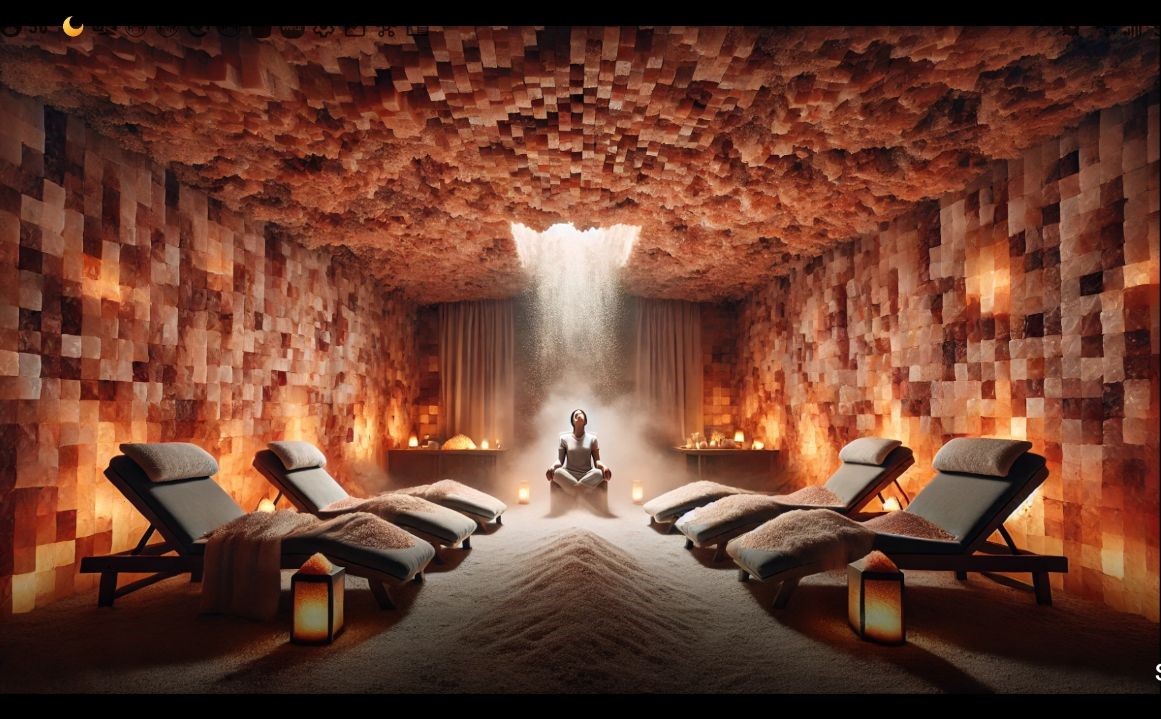
At The Salt Cavern, a facial can also become part of a wider self-care routine – a quiet moment to step back from the bustle, restore your skin, and leave feeling refreshed.
Keep the Results Going at Home
Professional care works best when it is supported by simple, consistent habits. You do not need an overflowing bathroom shelf to care for texture. A gentle cleanser, an appropriate moisturizer, and daily broad-spectrum sunscreen form a strong foundation for most routines.
Be cautious with adding multiple exfoliating acids, scrubs, retinoids, or new treatments at once. If your skin becomes stinging, red, peeling, or unusually tight, it may be asking for fewer active products and more barrier-supporting moisture. Your esthetician can help you understand which products and steps are sensible for your skin between appointments.
After a facial, give your skin time to settle. Avoid trying a new strong product that evening, skip abrasive scrubs, and keep your routine calm and uncomplicated. If you have had extractions or exfoliation, sunscreen is especially helpful for protecting freshly treated skin.
A Calmer Approach to Smoother-Looking Skin
The most helpful facial is not necessarily the most intense one. It is the one that meets your skin where it is, whether that means clearing surface buildup, bringing moisture back to dry areas, or simply giving your complexion and your mind a peaceful reset.
When your skin feels rough or tired, treat that concern with patience. A gentle facial, a consistent home routine, and a little protected time for yourself can help your complexion feel more comfortable, cared for, and ready to face the week.