When your mind is racing, your shoulders are tight, and a full night of sleep feels out of reach, another item on the to-do list is rarely the answer. Many people look for gentle ways to step back from the pressure of everyday life, which leads to a common question: does acupuncture help anxiety?
Acupuncture may help some people feel calmer, more grounded, and better able to manage stress symptoms. It is not a one-size-fits-all cure for anxiety, and it should not replace mental health care when that care is needed. But as part of a thoughtful wellness routine, it can be a supportive, restorative option for people who want a non-invasive way to make space for relaxation.
Does Acupuncture Help Anxiety?
The honest answer is: it depends on the person, the type and severity of anxiety, and the care already in place. Research on acupuncture for anxiety is still developing. Some studies suggest it may reduce anxiety symptoms for certain people, while others show more mixed results. Study methods, treatment schedules, and the types of anxiety being measured can vary widely.
What is clearer is that many clients experience acupuncture as deeply relaxing. A session creates a quiet pause from constant stimulation. You lie down comfortably while a licensed practitioner places very thin, sterile needles at selected points on the body. For some, that uninterrupted time alone can help shift the body out of a tense, on-alert state.
From a traditional acupuncture perspective, treatment is designed to support balance throughout the body. From a modern wellness perspective, people often describe feeling less physically wound up after a session. They may notice fewer stress-related sensations such as jaw tension, a clenched stomach, restless sleep, or tightness across the neck and shoulders.
That does not mean acupuncture works the same way for everyone. One person may feel noticeably calmer after a single appointment, while another may need several sessions before deciding whether it is useful. Some may not feel a significant change at all. A qualified practitioner can help set realistic expectations based on your health history and goals.
Why Anxiety Can Feel So Physical
Anxiety is not only a thought pattern. It can show up throughout the body: shallow breathing, racing thoughts, headaches, digestive discomfort, muscle tension, fatigue, and trouble falling asleep are all common experiences. Even when you know you are safe, your nervous system may still feel like it needs to stay ready for the next demand.
This is where calming practices can have value. Acupuncture sessions are typically quiet, slow-paced, and intentionally restful. The experience invites you to stop performing, responding, and rushing for a while. That physical rest may be one reason people include acupuncture in a broader plan for stress support.
Think of it less as a switch that turns anxiety off and more as a dedicated practice of giving your body a chance to settle. When used consistently, some people find that this helps them become more aware of the signals their body gives before stress builds too high.
What an Acupuncture Session for Stress May Feel Like
If needles make you nervous, it helps to know that acupuncture needles are much finer than the needles used for injections or blood draws. Most people feel little more than a brief pinch, warmth, heaviness, tingling, or no sensation at all when needles are placed. You should always tell your practitioner what you are feeling so they can adjust your treatment.
Your first visit usually begins with a conversation about what has been going on for you. You may discuss sleep, energy, stress levels, pain, digestion, medications, health conditions, and what you hope to get from treatment. This matters because anxiety can look different from person to person. Someone dealing with work stress and poor sleep may need a different approach than someone whose anxiety comes with headaches or muscle tension.
During the treatment, you will rest in a comfortable position for a period of time. Many people become so relaxed that they drift off. Others remain awake but feel quieter internally. It is also normal to leave feeling a little tired, especially after a first appointment. Drinking water and keeping the rest of your day gentle can be helpful.
How to Use Acupuncture as Part of Anxiety Support
Acupuncture tends to work best when it is treated as one piece of your care, not the entire picture. If anxiety affects your work, relationships, sleep, appetite, or ability to enjoy daily life, consider speaking with a licensed mental health professional or your primary care provider. Therapy, medication, lifestyle support, and complementary wellness services can each have a place.
For many people, the most effective routine is a layered one. Regular movement, consistent meals, adequate sleep, time outdoors, counseling, breathing practices, and a calming treatment such as acupuncture can all support the nervous system in different ways. You do not have to do everything perfectly for these habits to matter.
It can also help to set a simple goal before beginning treatment. Rather than expecting to never feel anxious again, you might focus on sleeping more soundly, feeling less tension in your body, creating a weekly reset, or having more tools for stressful days. These are meaningful changes, and they are easier to notice over time.
How Many Sessions Might You Need?
There is no universal number. Some people schedule a single session during an especially stressful season and enjoy the immediate relaxation it provides. Others choose a short series of weekly appointments to see how their body responds, then transition to maintenance visits as needed.
Your practitioner should be open about the recommended schedule and willing to reassess with you. Pay attention to how you feel between sessions. Are you sleeping differently? Do you recover more easily after a difficult day? Is your body less tense? These practical observations can tell you more than chasing a perfect feeling of calm.
When Acupuncture Is Not Enough on Its Own
Acupuncture can complement professional care, but it is not a substitute for urgent support. If anxiety is causing panic attacks, severe depression, thoughts of harming yourself or others, substance misuse, or difficulty functioning day to day, reach out to a licensed mental health professional, a medical provider, or emergency services right away.
You should also let your acupuncturist know if you are pregnant, take blood thinners, have a bleeding disorder, have a pacemaker, or have other health concerns that may affect your treatment. A trained practitioner will review what is appropriate and help you feel informed before you begin.
The right wellness experience should never make you feel pressured to ignore symptoms or discontinue prescribed care. It should make you feel heard, comfortable, and supported in taking the next healthy step.
A Quiet Place to Reset
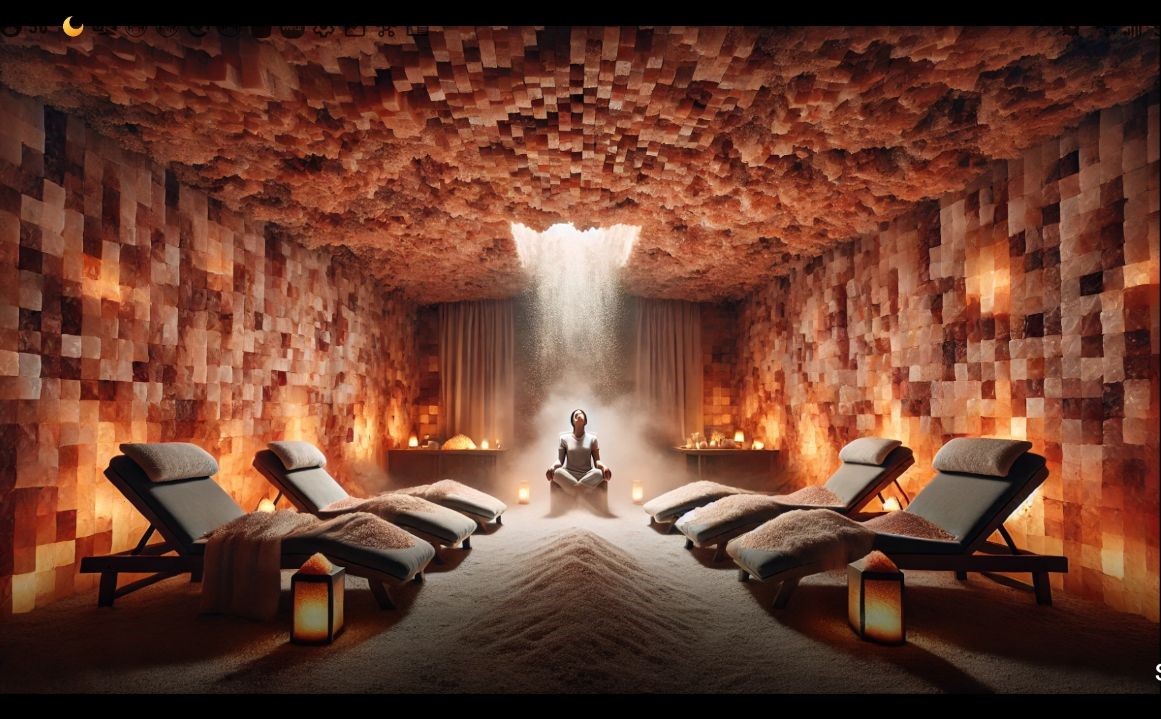
For Clifton-area residents carrying the weight of packed schedules, family responsibilities, and constant notifications, making time for a restorative appointment can be a meaningful form of self-care. At The Salt Cavern, acupuncture can be part of a calm, whole-body wellness experience designed to help you pause, breathe, and reconnect with how you want to feel.
If you are curious about acupuncture for anxiety, start with an open conversation and modest expectations. Give yourself permission to try a gentle approach, notice what changes, and build a care routine that supports both your mind and body. Sometimes the most helpful next step is simply reserving time to be still.