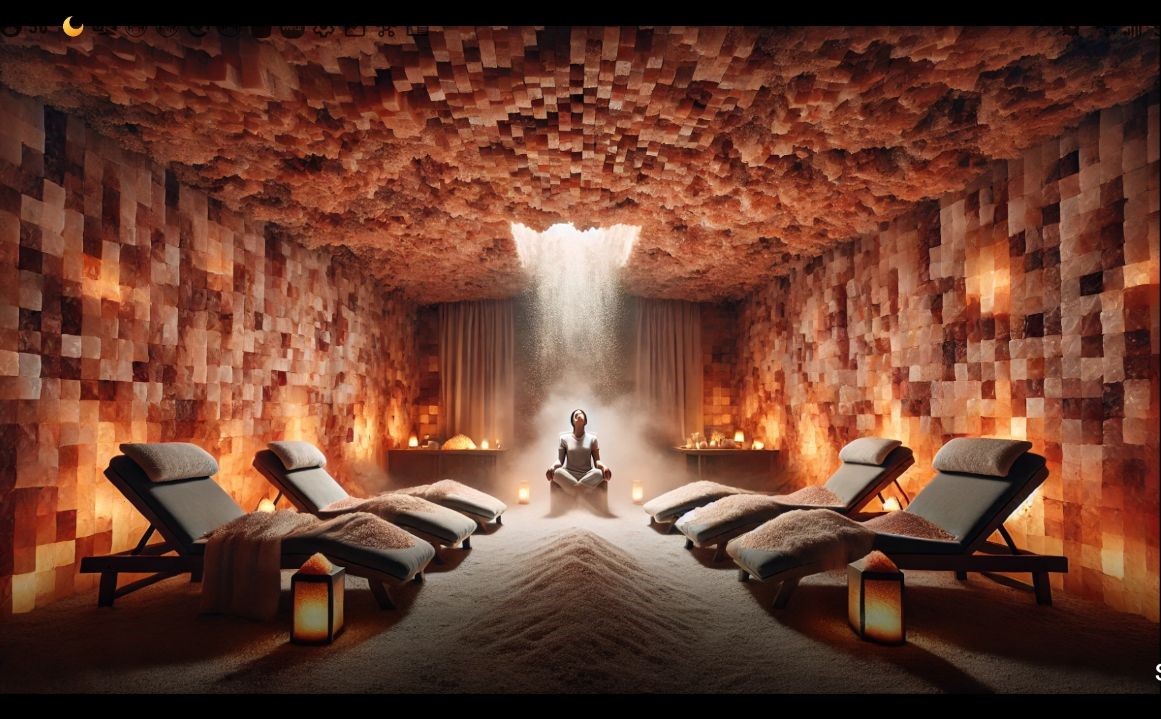
A restless night rarely begins at bedtime. It often starts with a full workday, tight shoulders, a mind still reviewing tomorrow’s to-do list, and little space to truly slow down. So, can infrared sauna improve sleep? For many people, a thoughtfully timed sauna session can become a calming part of an evening routine that supports relaxation and makes it easier to transition toward rest.
Infrared sauna is not a cure for insomnia, and results are personal. But gentle heat, quiet time, and the shift from daytime stress into a slower rhythm may help create conditions that are more supportive of sleep. For busy adults balancing work, family, and everyday responsibilities, that pause can matter.
Can Infrared Sauna Improve Sleep?
The most honest answer is: it can help some people, especially when stress, physical tension, or an inconsistent wind-down routine are part of the problem. Infrared saunas use infrared light to warm the body directly, rather than heating the surrounding air to the same extreme temperatures associated with many traditional saunas. Many people find the experience comfortable, soothing, and easier to settle into.
A session may support sleep in a few connected ways. First, warmth can encourage the body to relax. If you carry tension in your neck, back, hips, or legs after sitting at a desk, commuting, exercising, or caring for others, quiet heat may help you feel less physically wound up at the end of the day.
There is also a temperature component. Your body naturally cools down as it prepares for sleep. After leaving a warm sauna, the gradual cooling period may reinforce that natural shift for some people. This does not guarantee deeper sleep, but it is one reason a sauna session can feel especially comforting before bed.
Just as meaningful is the ritual itself. Stepping into a peaceful room without screens, alerts, errands, or conversation gives your nervous system a chance to receive a different message: the day is ending. When a sauna appointment becomes a regular part of self-care, it can help create a more dependable boundary between the bustle of daily life and the rest you need.
Why Stress Relief Can Affect Your Rest
Sleep is not only about feeling tired. It is also about feeling safe enough to let go. When stress stays high late into the evening, your thoughts may race even when your body is exhausted. You might lie awake replaying a conversation, planning a packed morning, or noticing every ache that was easy to ignore during the day.
Infrared sauna sessions are often appreciated because they ask very little of you. There is no complicated routine to learn and no performance involved. You simply sit, breathe, and let the warmth do its work. That simplicity can be especially welcome for people who find traditional meditation difficult or who feel that their usual evening routine is still too rushed.
The setting matters, too. A clean, tranquil wellness space can make it easier to step away from household tasks and the temptation to keep working. At The Salt Cavern, infrared sauna sessions are part of a broader approach to restoration, giving clients a place to relax, refresh, and re-imagine what self-care can look like in a busy week.
Of course, stress is not the only reason people sleep poorly. Sleep apnea, chronic pain, medication effects, anxiety, depression, hormonal changes, and other health concerns can all play a role. A sauna can be a supportive wellness practice, but it should not replace evaluation or treatment when sleep problems are frequent, severe, or affecting your daytime functioning.
The Best Time for an Infrared Sauna Session
Timing is one of the biggest factors in whether an infrared sauna feels sleep-supportive. Some people feel deeply calm after a session, while others feel refreshed and energized. Your ideal schedule may take a little experimenting.
For many people, finishing a session one to three hours before bed is a comfortable starting point. It gives your body time to cool down, rehydrate, shower if you wish, and ease into the rest of your nighttime routine. Going directly from a very warm session into bed may feel wonderful for some, but others may be too warm or alert at first.
Consider what your evenings already look like. If you tend to get home late, a shorter, earlier session may work better than trying to fit in intense heat right before sleep. If your mind is busiest after dinner, scheduling a session after work may help you break that cycle before it builds.
Consistency is more helpful than chasing a perfect schedule. A weekly or twice-weekly session that you genuinely enjoy can be more valuable than an overly ambitious plan that creates another item on your to-do list.
Pair the Sauna With a Softer Evening Routine
A sauna works best as one part of a calming routine, not as a stand-alone fix. After your session, keep the rest of the evening gentle where possible. Choose comfortable clothes, dim the lights, drink water, and give yourself a little time away from bright screens.
You do not need to transform your whole life to make this effective. A few small choices can reinforce the message that it is time to rest: skip a late heavy meal, avoid caffeine in the afternoon if it affects you, and keep the bedroom cool and dark. If you enjoy journaling, reading, gentle stretching, or a quiet shower, use that time after your session for a simple ritual you can repeat.
How to Use Infrared Sauna Safely Before Bed
Feeling relaxed should never mean ignoring your body’s signals. Follow the session guidance provided by your wellness professional, and start conservatively if infrared sauna is new to you. More heat or more time is not always better.
Hydration is essential. Drink water before and after your appointment, particularly if you have been active, have had a long day, or are prone to headaches. Avoid alcohol before a sauna session, since it can increase dehydration and make it harder to notice when you have had enough heat.
Leave the sauna right away if you feel dizzy, nauseated, unusually weak, lightheaded, or uncomfortable. A session should feel restorative, not like something to push through. It is also wise to talk with your healthcare provider before using an infrared sauna if you are pregnant, have heart or blood pressure concerns, have a condition that affects heat tolerance, or take medications that may change how your body responds to heat.
If you struggle with significant insomnia, do not assume that adding more wellness practices is the only answer. Keep a note of your sleep patterns, stress level, caffeine use, and bedtime habits. That information can help you and a qualified healthcare professional identify what may be getting in the way of restful sleep.
What Results Can You Realistically Expect?
People often notice the immediate benefit first: they feel calmer, looser, and ready to slow down. That can make falling asleep feel easier on the nights they use the sauna. Others find that the greatest value is indirect. Their sauna appointment encourages them to protect an evening of self-care, drink more water, leave work behind, and go to bed with fewer distractions.
Lasting sleep improvement usually comes from patterns, not a single session. If infrared sauna helps you feel more relaxed, use that feeling as a foundation for a bedtime routine that supports you all week. Pay attention to whether you fall asleep more easily, wake less often, or simply feel more settled at night.
Give yourself permission to make rest part of your care plan, not an afterthought. A quiet infrared sauna session may be the pause that helps your body and mind remember how to soften before sleep.