Stress has a way of settling into the body before you fully notice it. It shows up in tight shoulders, shallow breathing, restless sleep, tension headaches, and that feeling of always being a step behind. When that happens, the best spa treatments for stress are not just about pampering. They can be a practical way to help your nervous system slow down, your muscles release, and your mind feel quieter again.
The right treatment depends on how stress is showing up for you. Some people need physical relief for muscle tension. Others need stillness, warmth, or a change in breathing. And sometimes the most helpful approach is not one service, but a combination that supports both body and mind.
What makes the best spa treatments for stress actually work?
A stress-relief treatment is most effective when it helps shift you out of constant alert mode. That can happen through touch, heat, stillness, guided breathing, or sensory quiet. The goal is not to erase stress completely in one appointment. It is to create a real reset so your body does not have to stay braced all day.
That is also why stress treatment is personal. A deep tissue massage may feel amazing for one person and too intense for someone who is already overstimulated. A quiet salt room may be exactly what a busy parent needs, while another guest may want the release of acupuncture or the comforting warmth of an infrared sauna. There is no single perfect answer, only the best fit for your current needs.
Massage therapy for full-body tension
If stress lives in your neck, shoulders, back, or jaw, massage therapy is often the first place to start. It helps release muscle tightness, improve circulation, and bring your attention back into your body in a calming way. For many people, this is one of the fastest ways to feel a noticeable difference.
The style of massage matters. A gentler relaxation massage can be ideal if you are mentally exhausted, sensitive to pressure, or craving quiet. A firmer therapeutic massage may be better if stress has built up into knots and soreness. The trade-off is simple – deeper pressure can be more effective for chronic tension, but it may not feel as soothing if your nervous system already feels overloaded.
If you are not sure which type to choose, think about what you want to feel afterward. Looser muscles and physical relief often call for more targeted work. A calmer mood and total reset may point to a lighter, more restorative session.
Salt therapy for quiet, breath, and reset
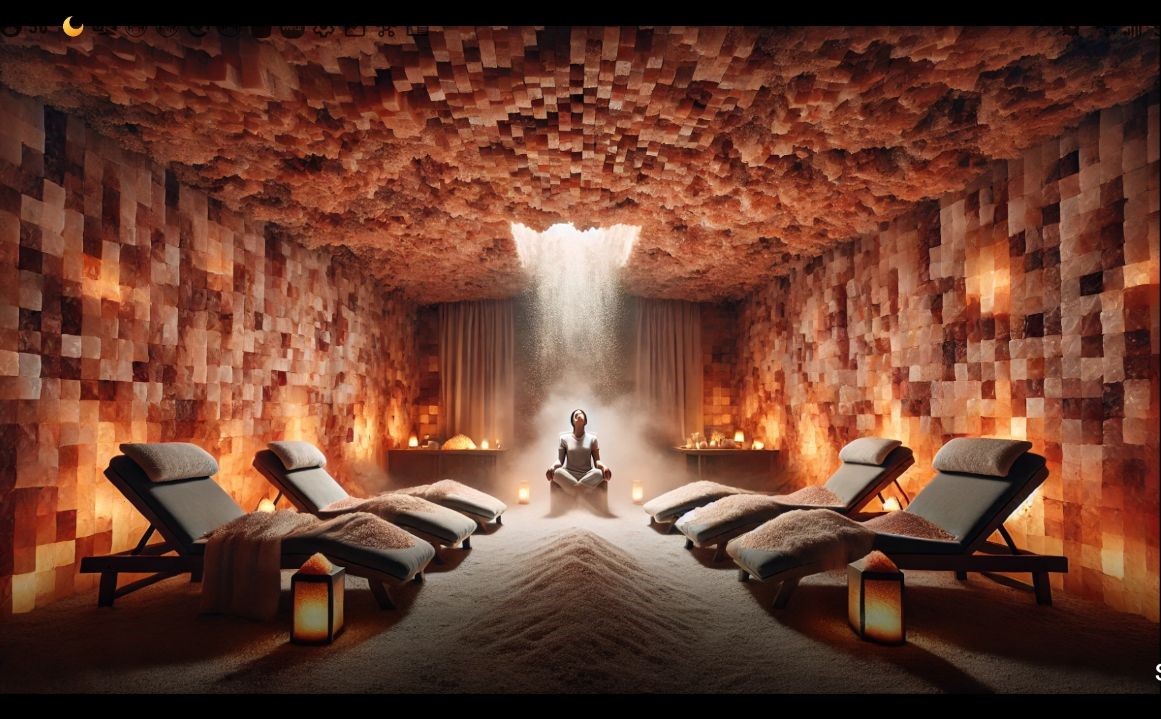
Stress is not always loud. Sometimes it feels like mental fog, chest tightness, or the sense that you never take a full breath. Salt therapy can be especially helpful in those moments because it invites stillness. Sitting in a peaceful salt room gives many people a chance to pause without being asked to perform, talk, or keep up.
This treatment is often chosen for respiratory comfort and relaxation, but it also supports stress relief in a simple, powerful way. When breathing becomes easier and the environment is calm, the whole body tends to soften. For people who feel overstimulated by screens, noise, and packed schedules, that quiet can be the treatment.
Salt therapy may not give the immediate muscle release of massage, but it can create a different kind of relief – gentler, steadier, and deeply calming. It is especially appealing if your stress comes with sinus discomfort, fatigue, or the need for a peaceful mental break.
Infrared sauna for warmth and decompression
There is a reason heat feels comforting when you are tense. Infrared sauna sessions can help relax the body, encourage circulation, and create a sense of deep physical ease. For many guests, the experience feels less like a treatment and more like a chance to step away from the pace of the day.
This can be a strong option if stress leaves you feeling stiff, depleted, or mentally crowded. The warmth encourages you to sit still, breathe more deeply, and let your body settle. Some people love it before a massage because it helps loosen tight areas. Others prefer it on its own when they want quiet without hands-on work.
It does depend on your comfort with heat. If you already feel drained, dehydrated, or sensitive to warm environments, a shorter session may be the better approach. Stress relief should feel supportive, not like another thing to push through.
Facials for stress you can see on your skin
Stress often shows up in the mirror. Dullness, dryness, breakouts, and sensitivity can all be linked to a body that has been running too hard for too long. A facial can be a smart choice when you want both visible care and a calming experience.
What makes facials especially helpful is the combination of touch, quiet, and skin support. The treatment usually includes cleansing, gentle massage, and time away from your phone and responsibilities. That alone can be enough to help your whole face soften.
If your stress has affected your skin barrier or triggered irritation, a calming, hydrating facial may be better than anything aggressive. This is one of those areas where more is not always better. When the body is stressed, gentler care often works best.
Acupuncture for a grounded nervous system
For some people, stress feels less like muscle pain and more like being wired and tired at the same time. Acupuncture can be a helpful option in that space. It is often chosen by people who want support for tension, sleep, headaches, and an overall sense of imbalance.
The experience is usually quiet and restful. Once the needles are placed, many guests feel deeply still, sometimes more still than they have felt in weeks. That pause matters. It creates room for the body to come down from a constant state of reactivity.
Acupuncture is not always the first treatment people think of for stress, but it can be one of the most grounding. If you are curious but unsure, it helps to approach it as a wellness support service rather than a dramatic fix. The effect can feel subtle at first, then noticeable in your sleep, mood, and tension levels afterward.
Sound bowl experiences for mental overstimulation
Some stress is physical. Some is mental noise that never seems to stop. A sound bowl session can be especially supportive when your mind feels busy, scattered, or emotionally tired. The gentle tones create a focused, immersive experience that helps many people settle into stillness without trying too hard.
This is a good fit for guests who struggle to meditate on their own or who feel like traditional relaxation methods do not quite hold their attention. Sound offers something to follow, which can make quiet feel more accessible.
It is different from massage or sauna because the relief is less about muscle release and more about mental spaciousness. If your main goal is to get out of your head for a while, this can be one of the best spa treatments for stress.
Hyperbaric sessions for recovery-minded stress relief
Stress and fatigue often travel together. If you have been feeling run down, mentally foggy, or slow to recover, a hyperbaric chamber session may appeal to the side of you that wants restoration with a wellness focus. While many people associate it with recovery support, it can also be part of a broader self-care routine when stress has left you feeling depleted.
This option is less about sensory indulgence and more about feeling restored. That makes it a strong match for busy professionals and health-minded guests who want their wellness time to feel purposeful. It may not replace the emotional comfort of massage or the cozy warmth of a sauna, but it can complement those services well.
Nail care and small rituals still count
Not every stress-relief treatment needs to be intense or highly therapeutic. Sometimes the most helpful thing is a simple, consistent ritual that gives you an hour to sit down, be cared for, and leave feeling more put together than when you arrived. Nail care can do exactly that.
There is real value in treatments that bring comfort, routine, and a sense of personal reset. For someone balancing work, family, and constant demands, that time can be more restorative than it sounds. Stress relief is not only about fixing what hurts. It is also about making space to feel like yourself again.
How to choose the best treatment for your kind of stress
If your body feels tight and sore, start with massage therapy or infrared sauna. If you feel mentally overstimulated, salt therapy or a sound bowl experience may be a better fit. If stress is showing up in your skin, a facial makes sense. If you want a more wellness-based approach to tension and fatigue, acupuncture or hyperbaric sessions may be worth considering.
You also do not have to choose just one forever. Stress changes with the season of life you are in. A working professional may need massage one month and quiet salt therapy the next. A parent who feels touched out may prefer a silent sauna session over hands-on treatment. The best choice is the one that meets you where you are right now.
At a wellness space like The Salt Cavern, that flexibility matters. Being able to choose from traditional spa services and restorative wellness offerings in one calm environment makes it easier to build self-care into real life, not just save it for special occasions.
If stress has been asking too much from your body lately, start with the treatment that feels easiest to say yes to. Relief does not have to be dramatic to be meaningful. Sometimes it begins with one quiet hour, one deep breath, and one decision to take care of yourself before you run on empty.