Your shoulders may feel tight before you even sit down at your desk. Your mind may still be replaying the day after the house is quiet. When stress becomes part of the routine, the best non invasive relaxation therapies offer something deeply practical: time and space to let your body soften without medication, surgery, or a complicated recovery plan.
The right therapy is not necessarily the most intense one. It is the one that meets you where you are, whether you need quiet, warmth, gentle touch, easier breathing, or a moment away from the constant pull of everyday responsibilities. Here are seven restorative options worth considering as part of a regular self-care routine.
1. Massage Therapy for Tension You Can Feel
Massage therapy is often the first choice for good reason. Stress tends to settle into the body as a clenched jaw, aching neck, sore lower back, or heavy shoulders. A skilled massage therapist can use pressure and movement to help loosen muscle tension while creating the kind of stillness many people struggle to make at home.
The best massage depends on your comfort level and goals. Swedish massage is generally a calming option for full-body relaxation. Deep tissue work may be helpful for areas that feel especially tight, but it can be more intense and is not always the best choice when your main goal is to fully unwind. Let your therapist know what feels tender, what pressure you prefer, and whether you simply want a restorative hour with minimal conversation.
Massage is especially fitting for busy professionals, parents, and anyone who notices stress showing up physically. Regular appointments can turn self-care from an occasional treat into a supportive routine.
2. Infrared Sauna Sessions for Gentle Warmth
A traditional sauna warms the air around you. An infrared sauna uses infrared light to create a more direct, gentle warming experience. Many guests enjoy the quiet heat as a way to relax stiff muscles, settle after a demanding week, and take a break from screens and notifications.
For some people, infrared sauna sessions feel more comfortable than high-heat traditional saunas. That does not mean they are right for everyone. Hydration matters, and anyone who is pregnant or managing a health condition, blood pressure concern, or medication that affects heat tolerance should speak with a qualified healthcare professional first.
Keep the experience simple. Arrive hydrated, wear comfortable clothing if requested, and give yourself a few unhurried minutes afterward. The calm that follows can be as valuable as the session itself.
3. Salt Therapy for a Peaceful Breathing Break
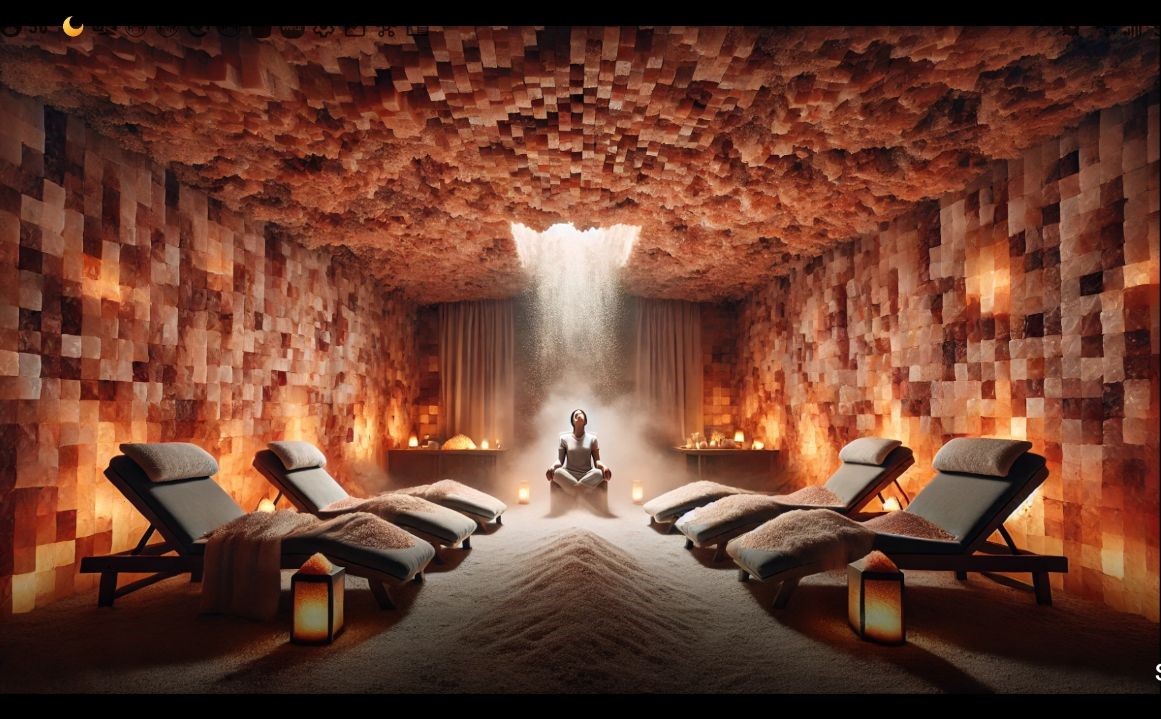
Salt therapy, also called halotherapy, offers a distinctly calming environment. During a session, you rest in a room designed for quiet while dry salt aerosol circulates through the space. Many people choose salt therapy because they enjoy the peaceful setting, particularly during seasonal changes or when indoor air feels irritating.
The most immediate benefit may be the pause. You are invited to sit back, breathe slowly, and step away from the bustle of everyday life. For guests who experience occasional sinus or breathing discomfort, salt therapy can feel like a refreshing addition to their wellness routine. Individual experiences vary, and it should not replace medical care for ongoing respiratory symptoms.
If your schedule rarely allows true stillness, a salt session creates a gentle reason to stop. Bring that same unhurried pace with you when you leave.
4. Sound Bowl Experiences for a Mental Reset
Some forms of stress are less about sore muscles and more about a mind that will not settle. A sound bowl experience uses resonant tones and vibrations to create an immersive, meditative atmosphere. There is nothing you need to achieve during the session. You simply rest, listen, and allow the sounds to hold your attention.
This can be an approachable option for people who find traditional meditation difficult. Rather than trying to clear every thought, you have something soothing to focus on. The experience may feel deeply restful after a demanding workweek, a period of caregiving, or any season when your thoughts have been moving too quickly.
Sound therapy is personal. Some guests love the sensation of the tones and others prefer a quieter service, such as a facial or massage. If you are sensitive to sound, ask what the session is like beforehand so you can choose an experience that feels comfortable.
5. Acupuncture for Calm and Whole-Body Care
Acupuncture has been used for centuries and remains a meaningful wellness option for many people seeking balance, relaxation, and support for everyday tension. During treatment, a licensed practitioner places very fine needles at specific points on the body. Most people find the sensation minimal, and many become surprisingly relaxed once they are settled on the table.
It is not a one-size-fits-all experience. Some people seek acupuncture for stress management or tight muscles, while others incorporate it into a broader care plan recommended by their healthcare team. Be open about your health history, medications, pregnancy status, and goals so your practitioner can provide appropriate guidance.
For the person who carries stress quietly and feels it everywhere, acupuncture can create a valuable moment of focused care. Plan a little extra time afterward if possible. Rushing straight back into a packed day can make it harder to hold onto the sense of ease.
6. Restorative Facials for Skin and Spirit
A facial is often thought of as beauty maintenance, but it can also be one of the most soothing non-invasive treatments available. The combination of gentle cleansing, warm towels, facial massage, and a calm treatment room offers a break that feels both nurturing and practical.
This is a particularly good choice when stress has left your complexion looking tired or when you want relaxation without the full-body focus of massage. A licensed esthetician can help you choose a facial based on concerns such as dryness, congestion, sensitivity, or dullness while preserving the quiet, restorative pace of the service.
If you have active irritation, are using prescription skincare, or recently had a peel or cosmetic procedure, share that information before your appointment. A good facial should leave you feeling cared for, not overwhelmed.
7. Hyperbaric Chamber Sessions for Quiet Rest
Hyperbaric wellness sessions take place in a pressurized chamber where you can recline and rest. For many guests, the simple act of lying down without interruption is part of the appeal. It is a quiet, contained experience that can fit naturally into a broader wellness practice focused on recovery and renewal.
Because hyperbaric sessions involve pressure changes, screening is essential. Ear or sinus issues, certain lung conditions, recent illness, and other health considerations may affect whether a session is appropriate. Follow the facility’s guidance and consult a medical professional when you have questions about your individual needs.
This option may appeal to people who enjoy structured stillness but do not necessarily want hands-on treatment. Think of it as protected time to rest, breathe, and let the day become a little less demanding.
How to Choose the Best Non-Invasive Relaxation Therapy
Start with what your body and mind are asking for most often. If your neck and back are constantly tight, massage or infrared sauna may feel most supportive. If you are craving quiet and a slower breath, salt therapy or a sound bowl experience may be a better fit. If you want to pair relaxation with skincare, a facial gives you both in one appointment.
You do not have to choose only one. Many people benefit from creating a rhythm: perhaps a monthly massage, an occasional facial, and a salt or sauna session during a particularly stressful stretch. The goal is not to fill every free hour with appointments. It is to make restoration easier to return to.
At The Salt Cavern in Clifton, the experience can be shaped around what you need that day, from therapeutic bodywork to peaceful salt therapy and warming infrared sessions. Give yourself permission to choose care that feels manageable, calming, and genuinely restorative. A small pause on the calendar can become the part of the week that helps everything else feel lighter.