A restless night often starts long before bedtime. It can begin with a tense jaw after work, shoulders that never quite drop, a racing mind, or the feeling that you have been “on” for everyone else all day. The best spa treatments for insomnia cannot replace medical care for a sleep disorder, but they can create something many tired people need first: a genuine transition out of stress and into rest.
At The Salt Cavern, we believe self-care should feel restorative, not like another item on your to-do list. The right wellness service can help you slow your breathing, release physical tension, and make your evening routine feel more intentional. The best choice depends on what is keeping you awake.
7 Best Spa Treatments for Insomnia Relief
1. Massage therapy for a body that will not unwind
When stress lives in your neck, back, hips, or legs, lying down does not always feel relaxing. Your body may be still, but it is not settled. Massage therapy is often one of the most helpful spa choices for people whose sleep is affected by muscle tension, busy days, or the feeling of carrying too much.
A calming massage encourages you to pause, breathe, and let a trained therapist work through areas that feel tight or overworked. Many guests find that the deepest benefit is not just looser muscles. It is the quiet feeling afterward, when the body no longer needs to brace itself.
For sleep support, consider booking a massage later in the day when possible and leave room afterward to go home, eat lightly, and keep your plans simple. A very deep, vigorous session may feel energizing for some people, so let your therapist know that relaxation and better sleep are your goals.
2. Infrared sauna for an end-of-day reset
An infrared sauna session can be a peaceful way to step back from the bustle of everyday life. Gentle heat helps many people feel physically relaxed, especially after sitting at a desk, exercising, commuting, or managing a full household.
The timing matters. Some guests enjoy sauna time in the late afternoon or early evening, followed by a shower and a quiet night at home. Others may feel too warm or refreshed if they schedule it immediately before bed. Notice how your body responds and give yourself time to cool down gradually.
Hydration is part of the experience. Drink water before and after your session, and avoid sauna use if you are feeling unwell, dehydrated, or have been advised by your medical provider to avoid heat therapy. The goal is comfort, never pushing through discomfort.
3. Sound bowl experiences for a racing mind
Insomnia is not always about the body. Sometimes your muscles are tired, but your thoughts keep replaying conversations, unfinished work, and tomorrow’s responsibilities. A sound bowl experience offers a different kind of pause: one that gives the mind a gentle place to rest its attention.
The tones and vibrations create a soothing environment that can feel especially welcome when silence seems to make your thoughts louder. You do not need to know how to meditate or clear your mind perfectly. Simply arrive, get comfortable, and allow yourself to listen.
For many people, sound therapy works best as a regular practice rather than a one-time fix. Pair it with a simple bedtime ritual afterward, such as dim lighting, a caffeine-free tea, and putting your phone away earlier than usual.
4. Salt therapy for calm, comfortable breathing
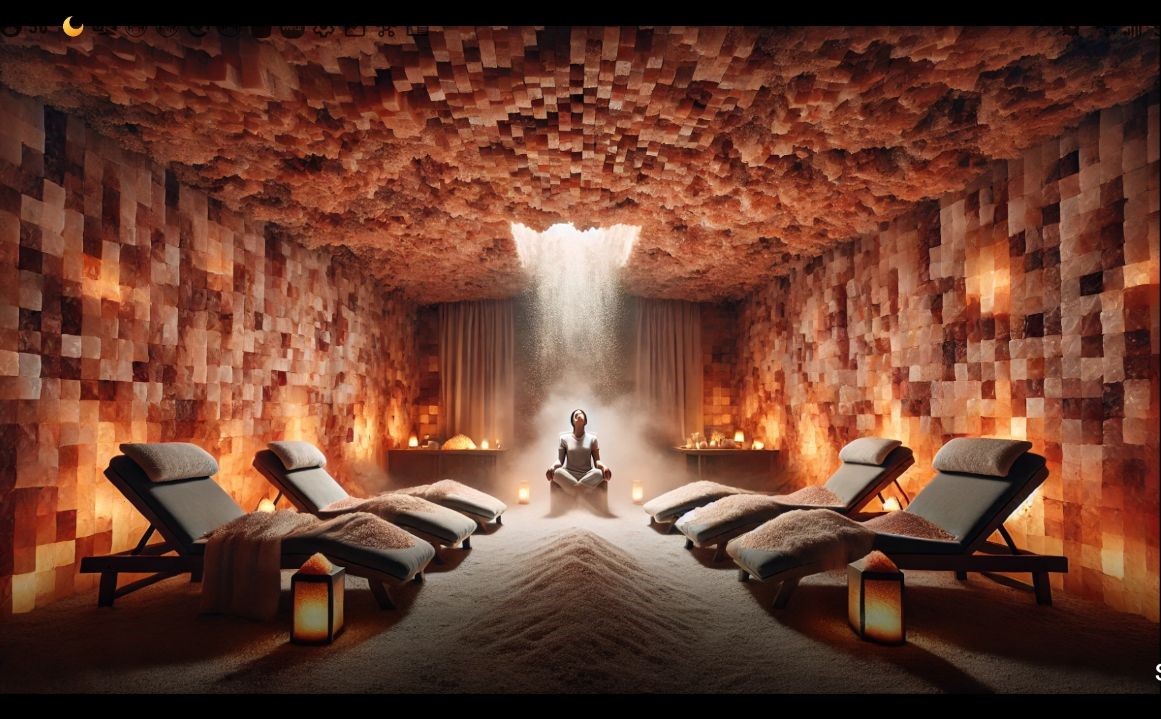
A stuffy nose, dry-feeling airways, or seasonal discomfort can make bedtime feel frustrating. Salt therapy, also called halotherapy, provides a tranquil space where you can sit back and breathe in a peaceful setting. It is a natural fit for guests who want quiet time away from screens, noise, and constant demands.
While salt therapy is not a treatment for insomnia itself, feeling more comfortable and relaxed can make it easier to create a sleep-friendly evening. Think of a salt session as protected time to do less. There is no need to perform, respond, or solve anything.
If breathing concerns regularly interrupt your sleep, such as loud snoring, gasping, or ongoing congestion, it is wise to speak with a healthcare professional. A spa session can support your wellness routine, but persistent nighttime breathing symptoms deserve personal medical guidance.
5. Acupuncture for stress patterns that keep returning
For some people, sleeplessness follows a familiar pattern. It shows up during stressful seasons, around physical discomfort, or when the nervous system feels stuck in high alert. Acupuncture is a non-invasive wellness option that many guests choose as part of a broader approach to relaxation and balance.
Your provider can discuss your individual goals and help determine whether acupuncture is an appropriate addition to your self-care plan. Some people prefer to schedule a session when they have a quieter evening ahead, rather than rushing straight into errands or work.
Results and experiences vary. The most useful approach is to pay attention to patterns over several visits: how easily you relax afterward, whether tension returns less intensely, and how your bedtime routine feels. If insomnia is frequent or severe, bring that information to your doctor as well.
6. A facial that makes you slow down
A facial may not be the first service that comes to mind for sleep, but it can be surprisingly restorative when stress shows up in your face and jaw. Warm towels, gentle touch, and time away from your own mirror can help shift the pace of a demanding week.
This is especially helpful for the person who finds it hard to book rest unless it is already on the calendar. A facial gives you permission to be cared for, without multitasking. The benefit for sleep is indirect but meaningful: you leave feeling refreshed, quieter, and more likely to protect the calm you have created.
Choose a time when you will not need to rush afterward. The more peaceful the transition home, the more likely that relaxed feeling will follow you into the evening.
7. Hyperbaric wellness sessions for personalized recovery support
Some guests explore hyperbaric chamber sessions as part of a larger wellness and recovery routine. The experience is quiet and structured, offering time to rest without the usual pull of notifications and obligations. For those who feel chronically worn down, that dedicated pause can be valuable.
Hyperbaric services are not a standalone answer for insomnia, and they may not be right for everyone. A qualified provider should review your health history, answer questions, and explain what to expect. If you are considering this service primarily because of ongoing exhaustion or poor sleep, it is also worth discussing those symptoms with your healthcare provider.
How to Choose the Right Sleep-Supporting Spa Service
Start with the reason sleep has been difficult lately. If your body feels sore and tense, massage or infrared sauna may be the most natural place to begin. If your mind feels crowded, a sound bowl experience or a quiet salt therapy session may offer the mental space you have been missing. If your sleep trouble appears alongside recurring pain, stress, or a pattern that will not ease, acupuncture and a conversation with a healthcare professional may be more appropriate.
You do not need to book every service at once. In fact, one treatment and a calm evening can be more helpful than trying to create the perfect wellness day. Give yourself a chance to notice what changes after your appointment. Do you fall asleep more easily? Wake up less tense? Feel less attached to your phone at night? Those small shifts matter.
Make the Calm Last Beyond the Appointment
A spa visit works best when it becomes part of a gentle rhythm. After your service, keep stimulation low. Choose a lighter dinner, lower the lights, and save difficult conversations or work tasks for another time if you can. Even ten minutes of quiet stretching, slow breathing, or reading can help carry the peaceful feeling into bed.
Try to protect a consistent sleep window, including on weekends when possible. Keep caffeine earlier in the day, and avoid relying on late-night scrolling as a way to switch off. It may feel like a distraction, but the light and mental stimulation can make it harder to settle.
If trouble sleeping happens three or more nights a week, lasts for months, or comes with anxiety, depression, pain, loud snoring, or breathing changes, please reach out to a qualified healthcare professional. Rest is essential, and you deserve support that fits your needs.
The most restorative treatment is often the one that helps you remember what calm feels like. Make room for that feeling, carry it home with you, and let your evening become a little softer than the day that came before.