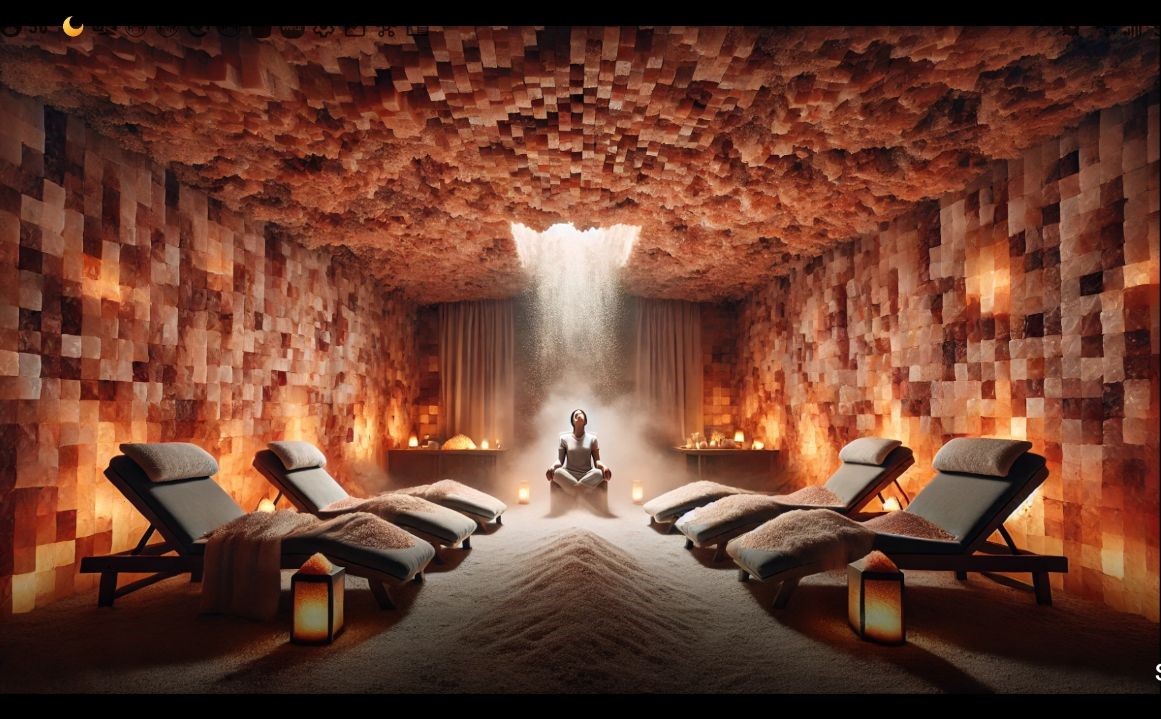
A quiet hour can feel very different depending on what your body needs. If your shoulders are tight after a long workweek, warmth may sound like relief. If seasonal dryness, congestion, or a stuffy feeling is making it harder to fully relax, a salt room may be more appealing. When considering salt therapy vs sauna, the better choice is not about which experience is more intense. It is about choosing the kind of reset that feels supportive today.
Both services offer a peaceful pause from packed schedules, family responsibilities, commutes, and constant notifications. Yet they work in very different ways. Understanding those differences can help you plan a wellness routine that feels personal, comfortable, and easy to return to.
Salt Therapy vs Sauna: The Main Difference
Salt therapy, also called halotherapy, takes place in a calm, dry environment where fine salt particles are dispersed into the air. Guests typically sit back in a comfortable chair and breathe normally while enjoying the quiet surroundings. The room is generally cool to room temperature, making the experience feel gentle and unhurried.
A sauna uses heat to encourage relaxation and warmth throughout the body. Traditional saunas heat the air, while infrared saunas use infrared light to warm the body more directly at a lower air temperature. At The Salt Cavern, infrared sauna sessions offer a comfortable option for guests who want soothing warmth without the extreme heat often associated with a traditional sauna.
The simplest distinction is this: salt therapy is centered on dry salt air and respiratory comfort, while a sauna is centered on warmth, circulation, and releasing physical tension. Both can be restorative. They simply meet different needs.
When Salt Therapy May Feel Like the Better Choice
Salt therapy is often chosen by people who want to slow down while focusing on breathing comfort. Dry salt air can feel especially pleasant during allergy season, after time in overly air-conditioned spaces, or when the air feels heavy and irritating. Many guests also enjoy salt therapy as a quiet, screen-free break that does not leave them overheated or sweaty.
For busy parents and professionals, that convenience matters. You can fit a salt session into the day and often return to your plans feeling calm, refreshed, and comfortable without needing to cool down afterward. It can also be a lovely choice before a facial, massage, or nail appointment when you want your spa day to begin with stillness.
The experience is subtle. You are not likely to feel a dramatic change the moment you sit down. Instead, the appeal is in the environment: peaceful breathing, low stimulation, and time set aside for yourself. Some people notice that the dry air feels clarifying, while others simply appreciate the chance to rest in a serene space.
Salt therapy is not a replacement for medical care. If you have asthma, a chronic lung condition, an active respiratory illness, or concerns about breathing, speak with your healthcare provider before booking. It is also wise to postpone a session if you are feeling acutely unwell.
What to Expect in a Salt Room
A salt therapy appointment is designed for comfort. Wear relaxed clothing, settle into your seat, and allow yourself to be still. You may notice a light salty taste or a mild dry feeling in your throat or nose. Drinking water before and after your session can help you stay comfortable.
For some guests, consistency is part of the appeal. Just as one massage may ease tension but regular bodywork can become a meaningful routine, salt therapy may feel most beneficial as a repeated act of self-care rather than a one-time fix.
When a Sauna May Feel Like the Better Choice
A sauna session may be the right fit when your body is asking for warmth. After sitting at a desk, standing for long hours, exercising, or carrying stress in your neck and back, gentle heat can feel deeply soothing. Infrared sauna sessions are especially popular with guests who want to relax into warmth without the higher temperatures of some conventional saunas.
Many people enjoy a sauna before a massage because the warmth can help them arrive feeling more relaxed. Others prefer it on its own as a dedicated recovery ritual after a demanding day. The warm, private setting creates a natural reason to slow your breathing, put your phone away, and let your muscles soften.
Sauna sessions also ask a little more of the body than salt therapy does. You will sweat, and hydration is essential. Plan to drink water before and after your appointment, and give yourself a few minutes to cool down before stepping back into a busy day.
Heat is not appropriate for everyone. Check with your healthcare provider before using a sauna if you are pregnant, have heart or blood pressure concerns, take medications that affect heat tolerance, have a history of fainting, or have another health condition that could be affected by heat. Leave the sauna immediately if you feel dizzy, nauseated, weak, or uncomfortable.
What to Expect During an Infrared Sauna Session
Infrared heat tends to build gradually, which many guests find more approachable than a very hot traditional sauna. You may begin comfortably and feel warmer as the session continues. A towel, water, and a few quiet minutes afterward can make the experience feel even better.
There is no prize for staying longer than feels good. A wellness session should leave you restored, not depleted. Listen to your body, take breaks when needed, and let comfort guide your routine.
How to Choose Between Salt Therapy and a Sauna
Start with the question, “What am I carrying today?” If the answer is congestion, dryness, or a desire for a cool, calm place to breathe and rest, salt therapy may be the better match. If the answer is muscle tension, physical fatigue, or the feeling that you need warmth from the inside out, an infrared sauna may be more inviting.
Your schedule can also help decide. Salt therapy is often easier when you need a relaxing experience without sweat or a recovery period. Sauna time can be ideal when you have room to hydrate, cool down, and move through the rest of your day at an easier pace.
It also depends on your personal comfort with heat. Some people feel energized by a sauna and sleep better after an evening session. Others find the quiet, neutral temperature of a salt room more restorative. Neither preference is wrong. Wellness works best when it feels sustainable rather than forced.
Can You Enjoy Both?
For many guests, salt therapy and sauna sessions can complement each other as separate parts of a broader self-care rhythm. One may become your go-to during high-stress weeks, while the other feels right after workouts or when your body wants warmth. You do not have to choose one forever.
If you are trying both for the first time, consider booking them on different days. That gives you a clear sense of how each experience makes you feel. Once you know your preferences and have confirmed that both are appropriate for your health needs, you can create a routine around what supports you best.
A massage, facial, acupuncture appointment, or sound bowl experience can also pair beautifully with either service, depending on the kind of care you are seeking. The goal is not to fill every moment with treatments. It is to create space for your body and mind to settle.
A Gentle Way to Build Your Wellness Routine
Think of salt therapy and sauna time as invitations to check in with yourself, not as obligations. On one visit, you may need quiet air, a comfortable chair, and a moment to breathe. On another, you may need warmth, hydration, and permission to let the day melt away.
Choose the experience that meets you where you are, arrive without rushing, and give yourself a little extra time afterward. That simple pause can be the beginning of feeling more like yourself again.