By the time the workday ends, many people are carrying more than a full schedule. Tight shoulders, a busy mind, screen fatigue, and that restless feeling of being home but not truly settled can make it hard to shift gears. If you have been wondering how to relax after work in a way that actually helps, the answer is usually not doing more. It is choosing a gentler transition.
For some people, that transition needs quiet. For others, it needs movement, warmth, or a little space away from family demands before stepping into the evening. Real relaxation is personal. The key is finding what helps your body feel safe enough to soften and what helps your mind stop replaying the day.
Why relaxing after work can feel harder than it should
A lot of people assume relaxation should happen automatically once they clock out. In reality, the nervous system does not always follow the calendar. If your day has been filled with deadlines, meetings, traffic, caregiving, or constant multitasking, your body may still be operating in go mode long after you get home.
That is why scrolling on the couch for an hour can leave you feeling just as drained as before. You may be physically still, but mentally you are still taking in stimulation. The same goes for jumping straight into chores, answering late emails, or heading from work stress directly into family logistics without a pause.
Learning how to relax after work often starts with one simple shift – stop expecting instant calm. Give yourself a reset period. Even ten to twenty minutes of intentional decompression can change the tone of the entire evening.
How to relax after work without wasting your evening
The best after-work routine is one you can repeat, not one that looks perfect on paper. If it is too ambitious, it becomes another task. If it is too passive, it may not help you release stress at all.
Start by paying attention to what kind of tired you feel. Mental fatigue and physical tension do not always need the same remedy. If your thoughts are racing, quiet sensory experiences may help more than exercise. If your body feels stiff and restless, movement or heat may work better than sitting still.
It also helps to create a clear line between work time and home time. That line might be changing clothes, taking a warm shower, sitting in silence for a few minutes in your car, or putting your phone away while you make tea. Small rituals send a message to your body that the pressure of the day is easing.
If your mind is overstimulated
When your brain feels crowded, the goal is not to force yourself to think positive thoughts. It is to reduce input. Lower the lights. Put your phone in another room for a little while. Sit somewhere comfortable and breathe more slowly than usual.
You do not need a long meditation practice to benefit from stillness. Even a few quiet minutes can help interrupt the pace of the day. Some people find soft music helpful. Others need near silence. If silence makes you more aware of stress, a calming sound experience can feel easier to settle into.
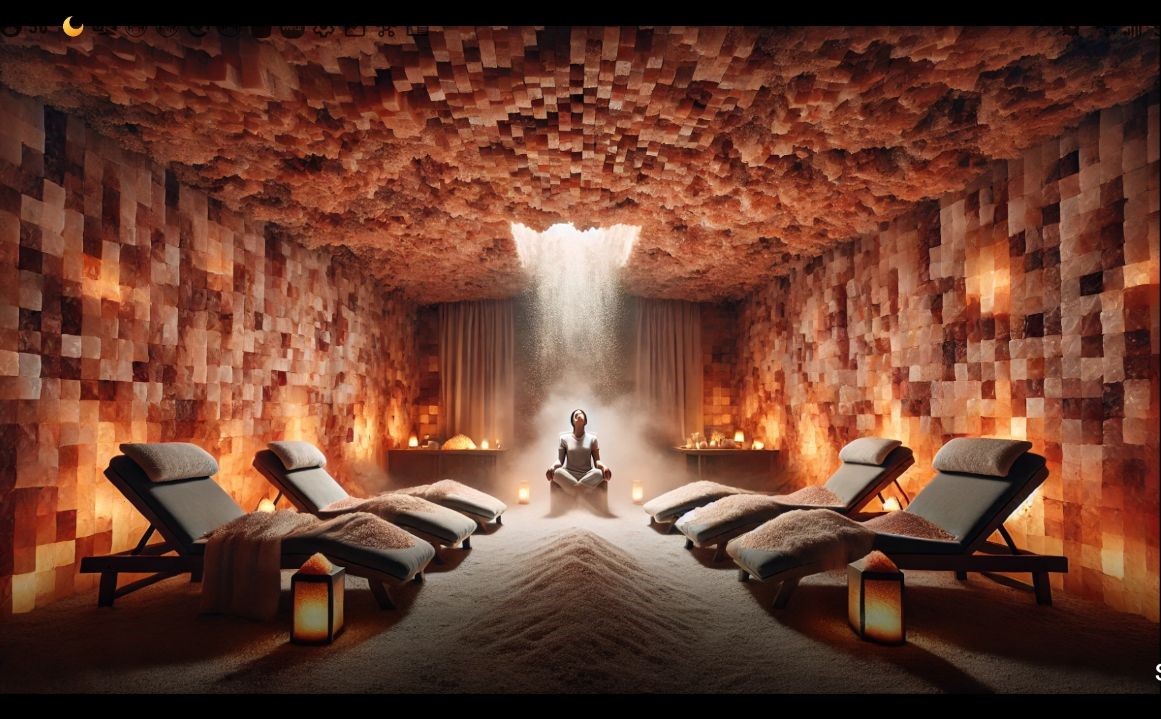
This is also where sensory wellness can be especially supportive. Gentle environments, warm rooms, salt therapy, or a sound bowl session can help the mind stop gripping so tightly. The point is not performance. The point is relief.
If your body feels tense and heavy
Many people leave work carrying stress physically. It shows up in the neck, jaw, lower back, hips, and feet. In that case, trying to relax by doing nothing may actually feel frustrating.
A short walk, light stretching, or time in an infrared sauna can help your body release the day more naturally. Warmth tends to be especially effective when stress feels stuck in the muscles. Massage therapy can also help if tension has been building over time rather than from one difficult day.
There is a trade-off here. High-intensity workouts can be great for some people, but if your system is already running hot from stress, something gentler may leave you feeling more restored. It depends on whether you need to burn off energy or calm it down.
The small habits that make evenings feel calmer
You do not need to redesign your life to make evenings better. Often, it is the basic habits that create the biggest sense of relief.
One of the most effective is reducing decision fatigue. If your evenings are packed with last-minute choices about dinner, errands, or household tasks, your mind never fully gets to rest. A loose routine can help. Knowing what happens first when you walk in the door creates a little stability.
Another habit is protecting your senses. Bright lights, loud TV, constant notifications, and clutter can keep your body alert. A calmer space supports a calmer mood. That does not mean your home has to look perfect. It just means making your immediate environment feel a little softer and less demanding.
Food matters too, but not in a rigid way. If you are running on caffeine and stress all day, skipping nourishment until late evening can make you feel more depleted and irritable. A simple, balanced meal or even a light snack before dinner can help steady you enough to actually enjoy your night.
Sleep also begins earlier than most people think. If your version of relaxing after work involves a second wind at 9 p.m. from screens, sugar, or unfinished tasks, bedtime may feel harder than it needs to. A calm evening routine is not only about that evening. It shapes the next day too.
Wellness experiences that can help you relax after work
Sometimes home routines are enough. Sometimes they are not. If you have been under steady pressure for weeks or months, deeper support can make a real difference.
Massage therapy is one of the most direct ways to ease muscle tension and help the body settle. If your stress tends to show up physically, it can be a practical form of recovery, not just a treat. Salt therapy can be appealing when you want a quiet, restorative setting that supports both relaxation and easier breathing. For people who deal with sinus discomfort, dry air, or that heavy end-of-day feeling, the environment itself can feel soothing.
Infrared sauna sessions offer a different kind of reset. The warmth can help release stiffness while creating a pause from screens, noise, and demands. Facials, nail care, and other self-care services may seem more cosmetic on the surface, but they can also serve an emotional purpose. Being cared for in a calm environment helps some people reconnect with themselves after spending all day meeting everyone else’s needs.
For others, acupuncture or sound bowl experiences offer the kind of stillness that is hard to create at home. There is no single best option. The right fit depends on whether you are seeking relief from tension, mental fatigue, sensory overload, or simple emotional exhaustion.
In Clifton, many people are looking for wellness options that feel approachable rather than complicated. That is part of what makes places like The Salt Cavern feel supportive. You can step away from the pace of the day and choose a service that meets you where you are.
When relaxing after work feels impossible
There are seasons when the usual advice just does not land. Maybe you have young kids, a long commute, caregiving responsibilities, or a job that leaves you emotionally spent. In those moments, a full evening ritual may not be realistic.
If that is where you are, make the goal smaller. Instead of trying to create a perfect self-care routine, look for one reliable point of relief. It could be five quiet minutes before going inside, a shower with the lights dimmed, ten minutes of stretching before bed, or one standing wellness appointment each week that gives you something restorative to count on.
Relaxation does not have to be long to be real. It just has to be intentional.
A more realistic way to think about rest
Many adults treat rest like a reward for finishing everything. That reward rarely comes. There is always one more email, one more chore, one more thing to handle tomorrow. If you wait until life is completely caught up before you let yourself relax, your body stays in a constant state of holding on.
A better approach is to treat relaxation as part of functioning well, not a break from being productive. When you give yourself space to recover after work, you think more clearly, sleep more deeply, and often show up more patiently for the people around you. That is not indulgent. It is maintenance.
If you are figuring out how to relax after work, start simple and stay honest about what actually helps. Not what sounds healthy. Not what works for someone else. What helps you exhale, soften your shoulders, and feel like yourself again. Sometimes that is quiet at home. Sometimes it is guided support in a peaceful wellness space. Either way, you deserve an evening that gives something back.