Some stress lives in the mind. A lot of it settles into the body. You feel it in your shoulders while answering emails, in your jaw during traffic, and in your lower back after a long week of carrying too much at once. That is why massage therapy and stress reduction are so closely connected. When the body finally gets a chance to soften, the mind often follows.
For many people, stress does not look dramatic. It shows up as shallow breathing, poor sleep, headaches, irritability, tight muscles, and the feeling that you are always one step behind. A massage is not just a pleasant break from the day. In the right setting, it can become part of a steady wellness routine that helps you reset, recover, and return to yourself.
Why massage therapy helps with stress
Stress changes the way the body functions. Muscles stay contracted longer than they should. Breathing becomes quicker and less relaxed. The nervous system stays on alert, even when there is no immediate danger. Over time, that constant state of tension can leave you feeling physically drained and emotionally worn down.
Massage therapy creates the opposite experience. It encourages stillness, supports circulation, and gives overworked muscles a chance to release. Just as important, it can help shift the body out of that fight-or-flight pattern and into a calmer state. Many clients notice that they are breathing more deeply halfway through a session without even trying. Others realize they have been clenching their shoulders for days.
That change matters. Stress relief is not always about doing more. Sometimes it is about creating the right conditions for the body to stop bracing.
Massage therapy and stress reduction in real life
The benefits of massage are often felt in simple, practical ways. You may sleep more deeply that night. You may notice less neck pain at your desk the next day. You may feel less reactive, more patient, or more present with your family. These are not small changes. They are the kinds of shifts that can improve how everyday life feels.
For busy professionals, massage can interrupt the cycle of physical tension caused by long hours, screens, commuting, and mental overload. For parents, it can offer rare quiet and a chance to receive care instead of constantly giving it. For anyone balancing work, home, and personal responsibilities, it becomes a place to pause before stress turns into burnout.
That said, massage is not a cure-all. If stress is tied to chronic pain, injury, sleep disorders, or anxiety, the best approach may include several forms of support. Massage can be one meaningful piece of that care, especially when used consistently.
What happens in the body during a massage
A good massage does more than loosen a tight back. It changes your physical experience in the moment. As pressure is applied to tense areas, muscles begin to lengthen and soften. Blood flow improves. Breathing often slows. The room is quiet, the body is supported, and your attention gradually leaves the constant noise of the day.
This combination is one reason massage feels so restorative. It is not only the hands-on work. It is also the environment, the stillness, and the permission to stop performing for a while. In a calm wellness setting, the body can finally shift from doing into resting.
Some people feel immediate relief after one session. Others notice a more gradual effect. If your stress has been building for months, your body may need time to trust relaxation again. That is normal. Lasting results often come from regular care rather than a single appointment.
The best type of massage for stress depends on your body
There is no single massage style that works best for everyone. It depends on how stress shows up for you.
If your body feels generally tense, overwhelmed, or fatigued, a gentler, relaxation-focused massage may be the right fit. This style can calm the nervous system and help you settle into a more peaceful state without intense pressure.
If stress tends to collect in specific areas like the neck, shoulders, or lower back, a firmer therapeutic approach may be more helpful. This can address deeper muscle tension while still supporting relaxation. Some people want strong pressure because it gives them a clear sense of release. Others find that too much intensity makes it harder to unwind.
The best sessions are personalized. A skilled massage therapist will consider your comfort level, stress patterns, and any areas of discomfort. Wellness care should feel supportive, not one-size-fits-all.
When massage works best as part of a routine
Many people wait until they feel completely depleted before booking a massage. While that can still help, regular sessions often make a bigger difference. Stress is easier to manage when it is addressed early, before it builds into headaches, stiffness, sleep problems, or full-body fatigue.
A monthly massage is enough for some clients to feel more balanced. Others benefit from more frequent visits during especially demanding seasons of life. If you are going through a stressful work period, recovering from travel, dealing with poor sleep, or carrying ongoing physical tension, a shorter gap between sessions may feel more effective.
Think of massage as maintenance, not a last resort. The goal is not just to recover from stress after the fact. It is to support your body before stress takes over.
Creating a fuller stress-relief experience
Massage can stand on its own, but it often works beautifully alongside other wellness services. For some people, pairing bodywork with time in an infrared sauna supports deeper relaxation and helps them feel physically lighter. Others find that salt therapy, quiet breathing, or a sound experience helps extend the sense of calm after a massage.
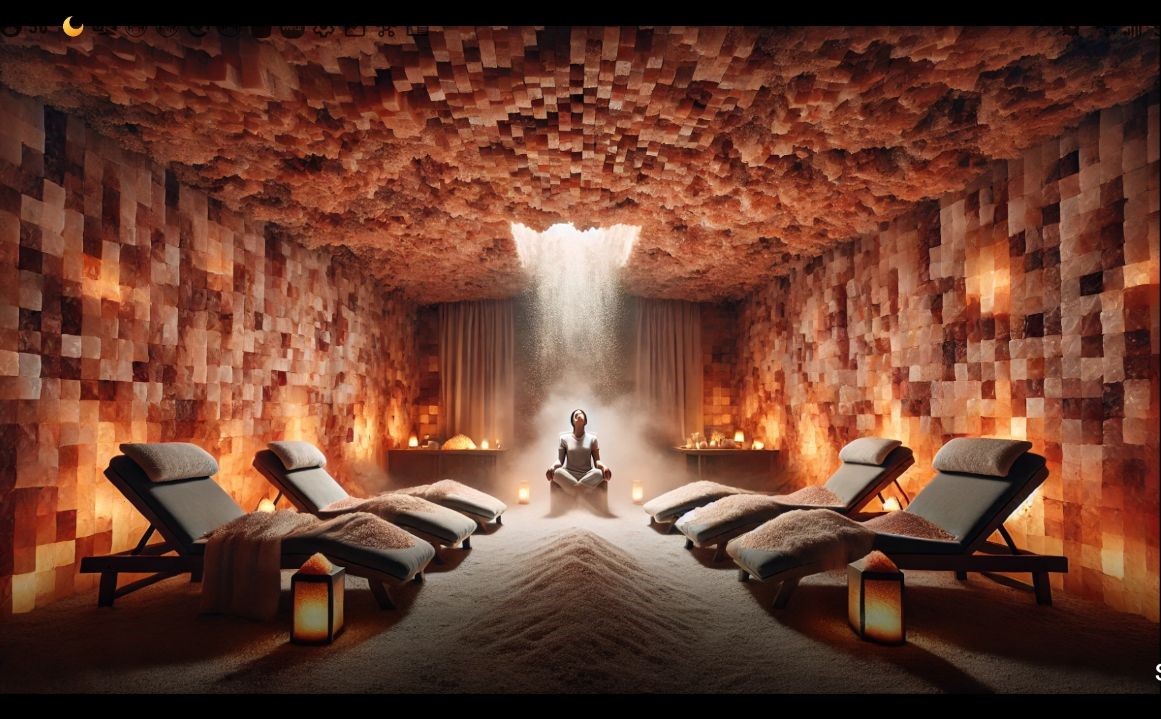
This is where a holistic wellness space can feel especially valuable. Instead of rushing from one place to another, you can give yourself a more complete reset in one peaceful environment. At The Salt Cavern, that whole-body approach is part of what makes self-care feel both restorative and realistic.
Still, more is not always better. If your schedule is tight or your energy is low, even one well-chosen service can make a real impact. The best routine is the one you can return to consistently.
Signs it may be time to book
You do not need to wait for severe pain to justify massage. Often, the body sends quieter signals first. Maybe your shoulders creep up toward your ears by lunchtime. Maybe you wake up tired even after a full night in bed. Maybe your mind feels busy all the time, and you cannot remember the last moment you truly relaxed.
These are valid reasons to seek care. Stress has a way of becoming normal when you live with it long enough. A massage can help you notice how much tension you have been carrying and what it feels like to let some of it go.
If you are new to massage, it helps to keep your expectations simple. You do not need to arrive fully relaxed. You do not need to know what type to choose right away. You just need the willingness to pause and receive care.
Massage therapy and stress reduction for long-term wellness
The real value of massage is not only what happens during the appointment. It is what that appointment makes possible afterward. You may move through your day with less discomfort. You may feel more grounded in your body. You may respond to stress with a little more ease because your system is no longer stuck in overdrive.
That is the quiet power of massage therapy and stress reduction. It helps restore something many people lose in the rush of daily life – a sense of balance, breath, and space.
If stress has been living in your body for longer than you would like, gentle support can go a long way. Sometimes the next right step is simply giving yourself time to rest, reset, and feel cared for again.