Some days, stress does not arrive all at once. It builds quietly – in tight shoulders during the commute, shallow breathing between meetings, restless sleep, and that familiar feeling of being physically present but mentally drained. That is often when wellness and relaxation techniques become less of a luxury and more of a practical way to reset.
Real relaxation is not only about feeling calm for an hour. It is about giving your body and mind a chance to slow down, recover, and return to balance. For busy professionals, parents, and anyone trying to keep up with everyday demands, the most helpful techniques are usually the ones that feel approachable enough to repeat.
Why wellness and relaxation techniques matter
When the nervous system stays on high alert, the effects tend to show up everywhere. You may notice jaw tension, headaches, fatigue, irritability, poor sleep, or that heavy mental fog that makes even simple tasks feel harder. Relaxation can support the body in shifting out of that constant stress response.
That does not mean every technique works the same way for every person. Some people relax best through stillness and quiet. Others need warmth, touch, movement, or sensory experiences to feel grounded again. The goal is not to force one perfect routine. It is to find a few reliable ways to help your body feel safe enough to soften.
Gentle wellness and relaxation techniques for everyday stress
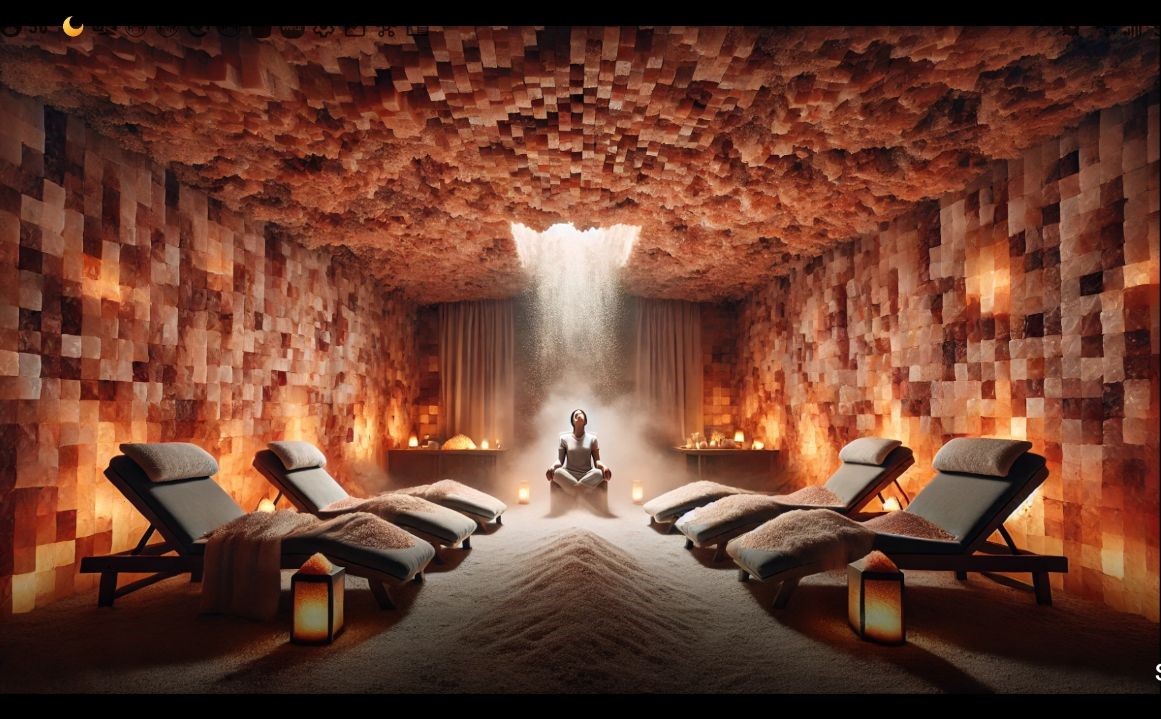
The Halotherapy room is one of the best and most efficient way to practice your breathing practices. One of the most effective places to begin is with the breath. Stress often shortens breathing without us realizing it. A few slow, intentional breaths can send a strong signal to the body that it can begin to settle. You do not need a complicated practice. Inhale slowly through the nose, pause briefly, then exhale even more slowly. Repeating that for a minute or two can make a noticeable difference, especially during a busy afternoon or before bed.
Another simple technique is quiet sensory rest. That might mean stepping away from screens, lowering the lights, and sitting in a peaceful room for a few minutes without trying to be productive. Many people underestimate how much constant stimulation keeps the mind alert. Reducing noise and input can be deeply restorative, particularly for those who spend most of the day responding to other people’s needs.
Warmth can also be a powerful form of relief. Heat tends to encourage muscles to loosen and can create a sense of comfort that helps the whole body unwind. This is one reason people often feel better after a warm shower, a heated treatment, or time in an infrared sauna. If stress shows up physically for you, warmth may be one of the fastest ways to feel the difference.
Touch-based therapies also remain one of the most trusted ways to relax. Massage therapy can help ease muscle tension while creating space for the mind to slow down. It is especially helpful for people who hold stress in the neck, back, or shoulders. The benefit is not only physical. For many clients, massage creates a rare moment of uninterrupted quiet where the body is finally allowed to stop bracing.
Relaxation that supports more than the mood
Some techniques go beyond helping you feel calmer in the moment. They may also support recovery, breathing comfort, or a deeper sense of physical ease. That is where a more holistic wellness experience can become especially meaningful.
Salt therapy, for example, appeals to many people because it feels peaceful while also supporting a sense of clearer breathing. Sitting in a calm salt room gives clients a chance to rest while enjoying a dry salt environment that many find refreshing, especially during allergy season or times of sinus discomfort. It is a quieter kind of reset, and that simplicity is part of the appeal.
Sound-based experiences can also be deeply settling. Sound bowl sessions are not about forcing the mind to empty. They create an environment where the body can simply receive. The tones and vibrations often help people shift their attention away from racing thoughts and into a more grounded state. For those who have trouble meditating in silence, this can feel more accessible.
Acupuncture is another option people turn to when stress becomes hard to ignore. Some clients seek it out for tension, some for general wellness support, and others because they want a non-invasive approach that helps them feel more balanced. Like many wellness services, the experience is personal. What feels transformative for one person may feel subtle for another, but many people appreciate the sense of calm that follows a session.
When beauty rituals become wellness rituals
Not every relaxation technique needs to look overtly therapeutic. Sometimes wellness begins with care that helps you feel more like yourself again.
Facials, for instance, can be both restorative and practical. There is the visible skin benefit, of course, but there is also the quiet of the treatment itself, the feeling of being cared for, and the pause from rushing through the day. The same can be said for nail care. A manicure or pedicure may seem small compared with more intensive wellness services, yet those familiar rituals often provide a dependable emotional lift.
This is worth saying because people sometimes separate beauty from wellness too sharply. In real life, the two often overlap. Feeling polished, clean, and cared for can support confidence and ease. That does not solve burnout on its own, but it can be part of a healthier rhythm of self-maintenance.
Building a routine that actually fits your life
The best wellness routine is not the most ambitious one. It is the one you can return to regularly without creating more pressure for yourself.
If your schedule is packed, start small. A ten-minute breathing and stretching routine in the morning may serve you better than a plan that requires an hour you never have. If you know stress builds in your body, booking massage, sauna, or salt therapy sessions on a regular basis may help you stay ahead of that tension instead of waiting until you feel completely depleted.
It also helps to pay attention to patterns. If you feel wired at night, your body may need calming techniques in the evening, such as sound therapy, breathwork, or quiet heat. If you wake up sluggish and foggy, a morning wellness habit might make more sense. There is no single right formula. It depends on what your body is asking for and what feels sustainable in your real routine.
For many people in Clifton and nearby communities, convenience matters too. When wellness services are available in one peaceful setting, it becomes easier to stay consistent. That is part of what makes places like The Salt Cavern feel supportive – you can choose the type of care your body needs that day, whether that is a facial, massage, salt therapy session, or a more specialized wellness experience.
A calmer approach to self-care
One common misconception is that relaxation should always feel instant. Sometimes it does. Sometimes you walk out of a session feeling lighter right away. But sometimes the body needs repetition before it truly lets go. If you have been under stress for a long time, calm can feel unfamiliar at first.
That is why it helps to treat self-care less like an emergency fix and more like regular support. You do not need to earn rest by reaching a breaking point. You do not need a perfect reason to schedule time for recovery. When relaxation becomes part of your normal rhythm, it can help you move through daily life with more steadiness.
Wellness is rarely one thing. It may be a quiet room, a deep breath, a warm treatment, a restorative facial, a massage that releases held tension, or a sound experience that helps you feel present again. The right choice is the one that leaves you feeling more restored than when you arrived.
If your days have felt loud, heavy, or overextended, start there – with one calming practice, one supportive appointment, one small return to yourself.