A manicure can help you feel polished. A massage can release tension. A quiet hour away from your phone can settle your mind in a way coffee never will. Holistic wellness begins with the understanding that all of those experiences matter, because well-being is not just one thing. If you have ever wondered what is holistic wellness, the simplest answer is this: it is caring for the whole person, not just one symptom, one habit, or one part of the body.
For many people, that idea feels like a relief. Life rarely creates stress in neat categories. A demanding week at work can show up as headaches, poor sleep, tight shoulders, low patience, and the feeling that you are running on empty. Holistic wellness looks at those connections instead of treating each one like it exists on its own.
What Is Holistic Wellness in Everyday Life?
Holistic wellness is an approach to health and self-care that considers the relationship between body, mind, and lifestyle. It recognizes that physical comfort, emotional balance, rest, movement, environment, and even small rituals of care all affect how you feel from day to day.
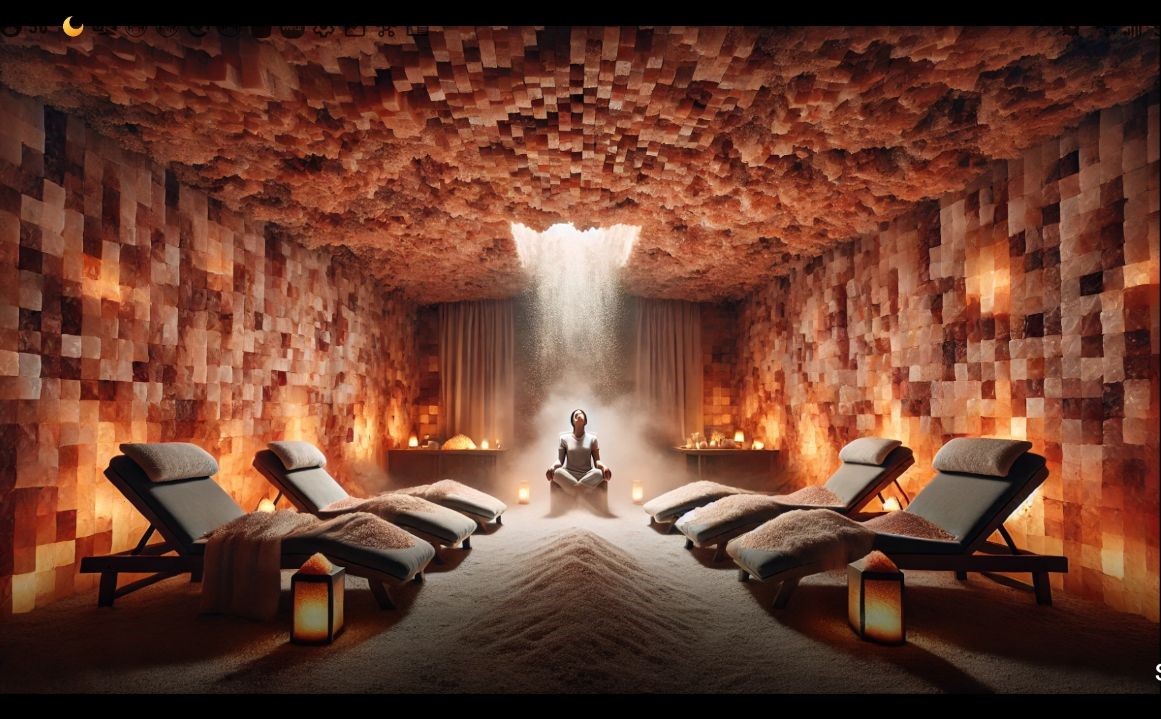
That does not mean every person needs an elaborate wellness routine. In fact, holistic wellness usually works best when it feels realistic. For one person, it may look like regular massage therapy, better sleep habits, and time to decompress after work. For another, it may mean facials and skin care that support confidence, salt therapy for breathing comfort, or an infrared sauna session that helps them feel restored after a long week.
The key difference is intention. Instead of asking, “What is the fastest fix for this one issue?” holistic wellness asks, “What supports me as a whole person?”
Why This Approach Feels Different
Traditional wellness advice can be very compartmentalized. You go one place for beauty services, another for stress relief, another for physical discomfort, and another when you feel mentally drained. Sometimes that works well. Sometimes it leaves you managing pieces of yourself without ever feeling fully recharged.
A holistic approach feels different because it makes room for overlap. Stress can affect the skin. Poor sleep can increase tension. Constant physical discomfort can lower your mood. When care is designed around the whole person, it often feels more calming, more practical, and more sustainable.
It also gives people permission to stop treating self-care like a luxury they need to earn. Holistic wellness is not about perfection. It is about support.
The Main Parts of Holistic Wellness
Holistic wellness includes several dimensions, but they all work together.
Physical wellness is the most familiar. This includes sleep, movement, nutrition, hydration, and treatments that help the body feel better. Massage therapy, sauna sessions, salt therapy, acupuncture, and restorative body care can all fit here, depending on your needs.
Emotional wellness matters just as much. This is your ability to manage stress, reset after overwhelm, and create space for calm. Sound bowl experiences, quiet time, mindful breathing, and peaceful environments can support this in a gentle way.
Mental wellness involves clarity, focus, and how you cope with daily demands. If your mind is always racing, your body often feels the effects too. Creating moments of stillness can improve more than mood. It can help you feel more present and capable.
Lifestyle wellness is the part people often overlook. Your schedule, work pace, home environment, and daily habits either support your well-being or slowly drain it. Holistic wellness asks you to notice that, without judgment.
Personal care also has a place in the picture. Nail care, facials, and waxing may not always be described as wellness services, but for many people they contribute to confidence, comfort, and the feeling of being cared for. That matters. Feeling put together can have a real emotional effect, especially during stressful seasons.
What Holistic Wellness Is Not
It helps to clear up a common misunderstanding. Holistic wellness is not about rejecting conventional medicine or pretending every issue can be solved with relaxation. There are times when medical care is absolutely necessary, and a responsible wellness approach respects that.
It is also not a one-size-fits-all formula. What restores one person may not help another in the same way. Some people feel grounded after acupuncture. Others respond more to massage, quiet rest, or guided mindfulness. The goal is not to follow trends. The goal is to understand what helps you feel balanced.
And despite what social media can suggest, holistic wellness does not require a perfect morning routine, a shelf full of products, or endless free time. It can be as simple as building small, consistent forms of care into your week.
How a Holistic Wellness Routine Actually Works
The best routines are usually the ones that fit real life. If your schedule is full, holistic wellness should lighten the load, not become another task to manage.
Start with what your body and mind are already telling you. If you feel tense, poor sleep and muscle discomfort may be your starting point. If you feel depleted, you may need rest, hydration, and quiet recovery. If you feel dull, congested, or generally off, treatments that support circulation, breathing comfort, or deep relaxation may make more sense.
From there, think in layers. One service or habit can help, but a combination often creates a stronger effect. Someone dealing with stress may benefit from massage therapy along with sound healing or salt therapy in a calm setting. Someone feeling physically fatigued might respond well to infrared sauna sessions and intentional rest. Another person may simply need one hour carved out for a facial or self-care treatment that helps them reset mentally as much as physically.
That is one reason holistic spaces can be so helpful. When different forms of care exist together, it becomes easier to create a routine that supports more than one need at a time.
Why Environment Matters More Than People Realize
Holistic wellness is not only about the service itself. It is also about the environment where care happens. A peaceful setting can help the nervous system soften before a treatment even begins.
That matters because many people do not know how tense they are until they step into a space that feels quiet, clean, and genuinely calming. The body responds to that. Breathing slows. Thoughts settle. Muscles begin to release their guard.
This is part of why wellness experiences can feel so different from simply checking an item off a to-do list. In a restorative environment, care becomes more than maintenance. It becomes recovery.
For local clients looking for that kind of reset, an all-in-one space like The Salt Cavern can make wellness feel more approachable. Instead of bouncing between separate appointments and environments, you can experience beauty, relaxation, and therapeutic support in one place that is designed to feel grounding from the moment you arrive.
A Few Honest Trade-Offs
Holistic wellness is supportive, but it is not instant. Some people feel better after one session. Others notice benefits through repetition and consistency. It depends on the person, the service, and what their body has been carrying.
It also requires paying attention. If you are used to pushing through stress, slowing down can feel unfamiliar at first. Some people even discover they need more rest than they realized.
There is also the reality of time and budget. Not everyone can book multiple services regularly, and that is okay. Holistic wellness is not all or nothing. Even occasional care, chosen thoughtfully, can make a meaningful difference.
How to Know If You Need a More Holistic Approach
If you often feel like you are managing symptoms instead of feeling well, a holistic approach may help. The same is true if stress keeps showing up in your body, if your self-care feels scattered, or if you know you need support but do not want something invasive or complicated.
Many adults are not looking for extreme change. They want to breathe easier, sleep better, release tension, feel more comfortable in their skin, and enjoy a little more calm in everyday life. Holistic wellness speaks to those goals because it meets people where they are.
It invites a gentler question than most health advice does. Not, “How do I fix everything at once?” but, “What kind of care would help me feel more like myself again?”
That is often where real renewal begins – with one thoughtful choice, one quiet hour, and one decision to treat your well-being as something worth tending to.